
The Prosforio Tower: The Medieval Guardian of Ouranoupoli
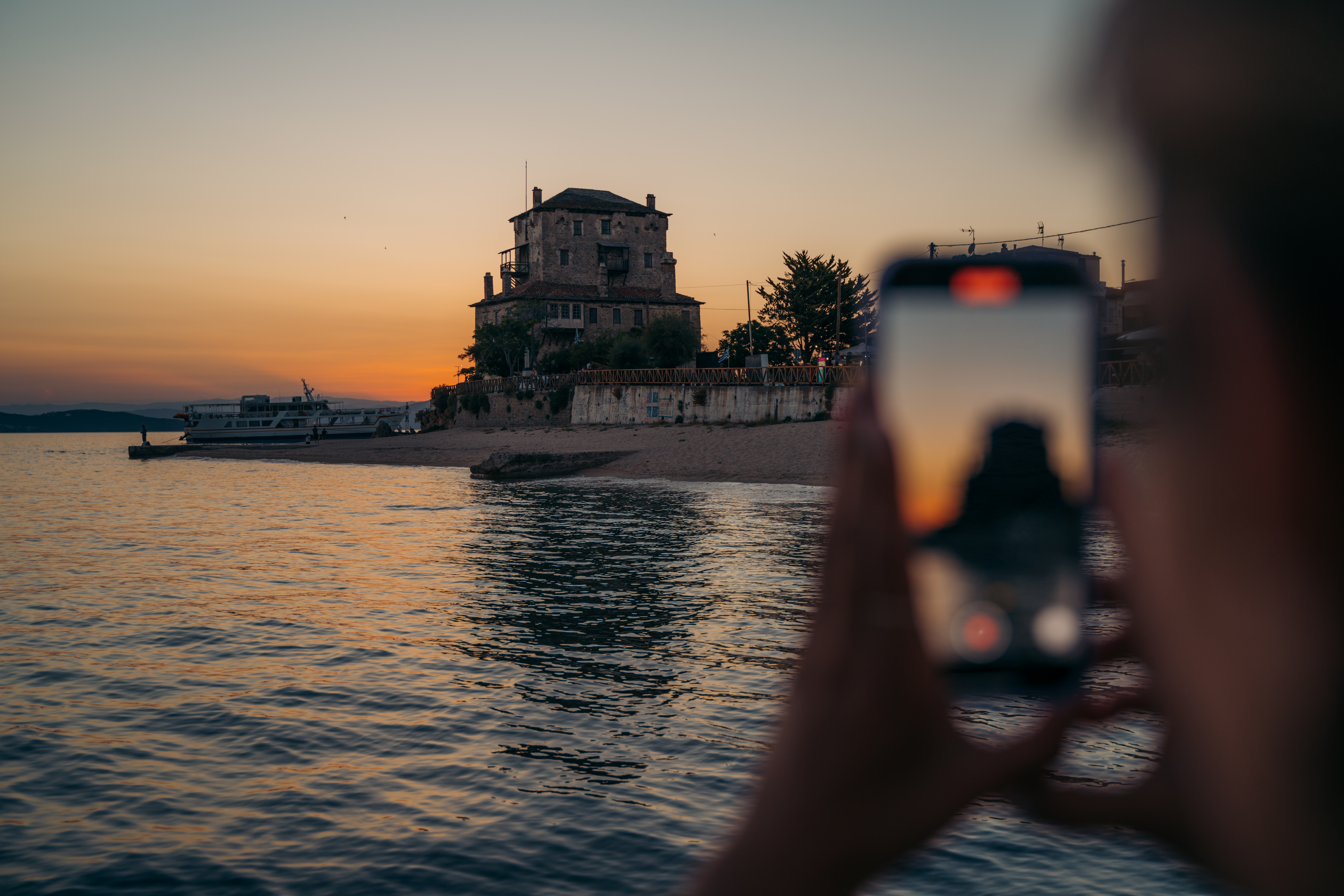
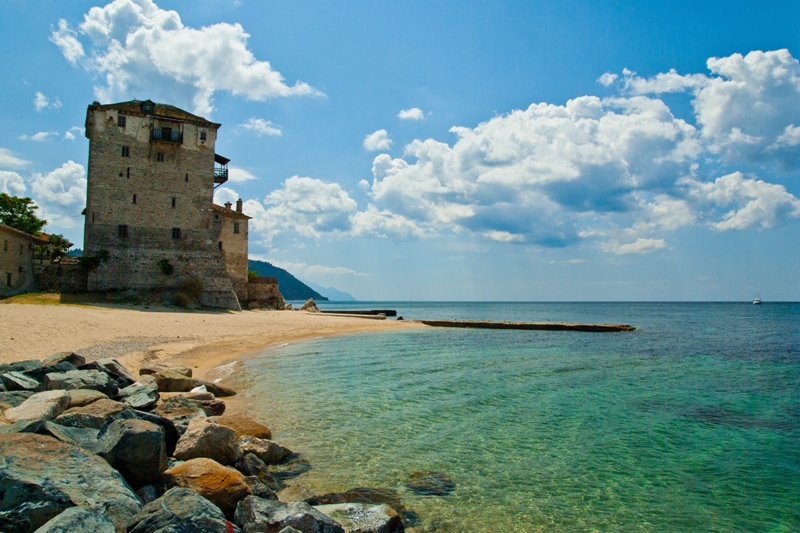
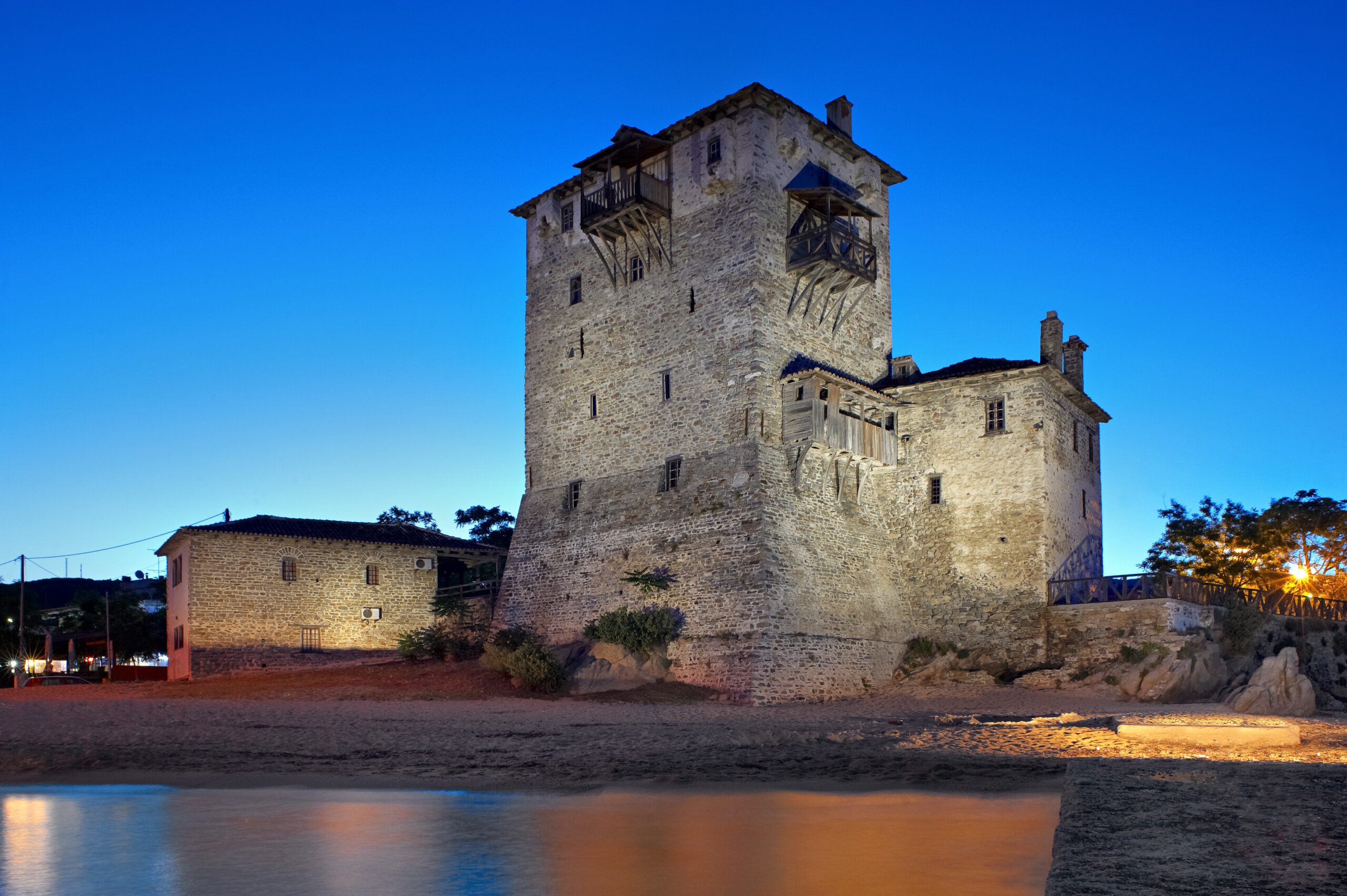
Dominating the vibrant waterfront of Ouranoupoli, the Prosforio Tower (Tower of Prosforion) stands as a monumental link to the past. It is the largest and most beautifully preserved Byzantine tower in all of Macedonia. Standing directly where the waves meet the stone, this imposing fortification has served as the symbolic gateway to the Mount Athos peninsula for nearly seven centuries.
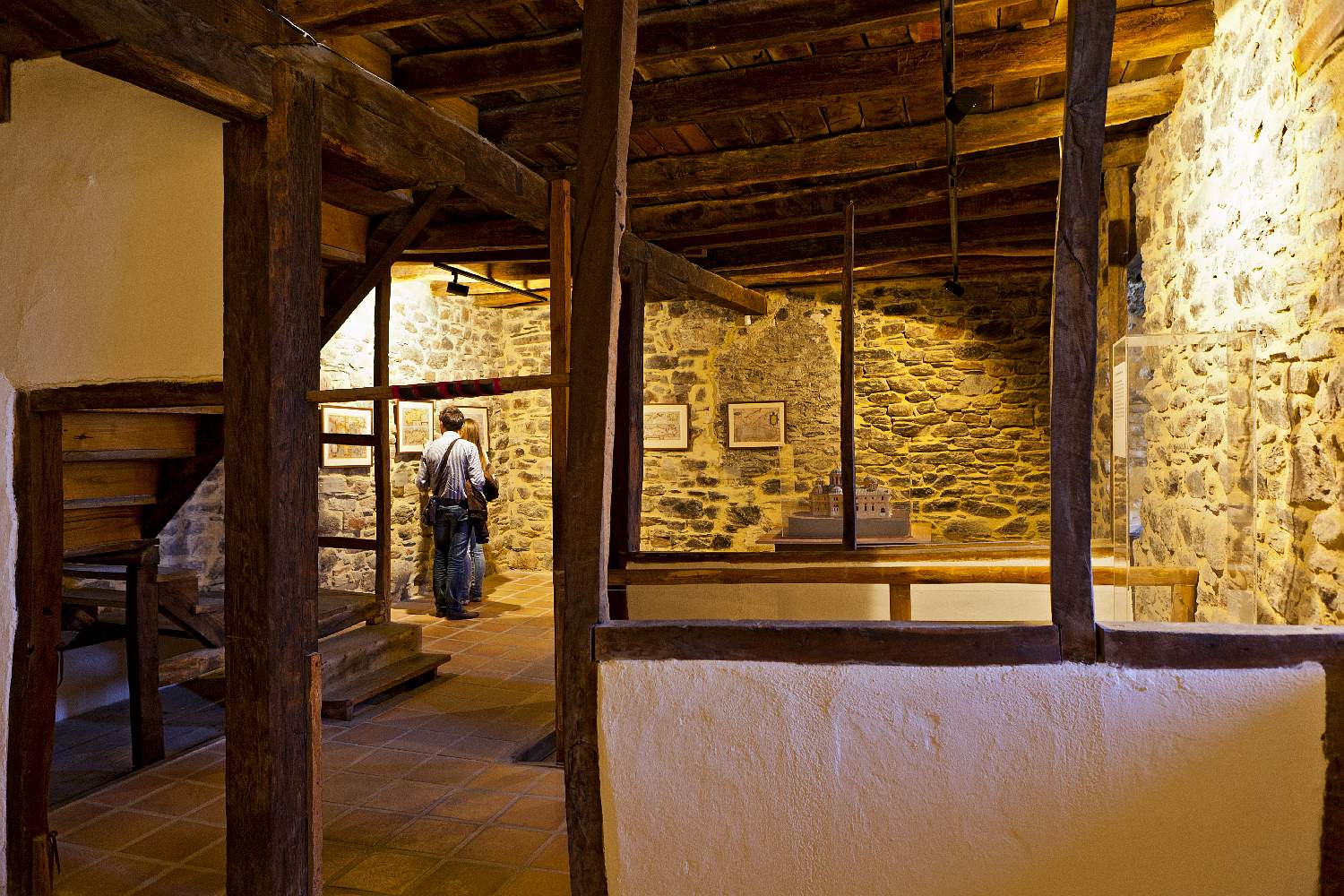
Today, the tower functions as an exceptional cultural museum. Visitors can climb its winding interior steps to explore permanent exhibitions. Furthermore, it serves as a crucial starting point for travelers looking to understand the monastic frontier.
1. Monastic Roots and Privateers
The Holy Monastery of Vatopedi constructed the tower in the early 14th century. The monks required a secure stronghold to protect their vast, fertile dependency (metochi). Furthermore, brutal pirate raids threatened local farmers constantly during this era. Therefore, the tower served as an essential shield for regional agricultural survival.
Its structural layout clearly reflects this turbulent history:
-
The Byzantine Base: Workers built the massive lower half using heavy, local fieldstones. This design successfully resisted naval artillery attacks.
-
The Ottoman Upper Floors: A devastating earthquake struck the region in 1585. Consequently, the ruling Ottomans rebuilt the upper levels, introducing distinct timber-framed supports and specialized brickwork.
Ultimately, the fortress successfully combined storage space for the monastic harvest with defensive military readiness.
2. The Loch Humanitarian Legacy
During the 20th century, the tower gained an extraordinary new chapter. In 1928, an Australian-British couple, Joice and Sydney Loch, moved into the historic stone rooms. As dedicated humanitarian aid workers, they arrived to assist Greek refugees fleeing Asia Minor.
Instead of offering simple charity, the Lochs created a sustainable future for the community. They transformed the ancient tower into a thriving local textile center. Specifically, Joice taught the refugee women the intricate art of handmade carpet weaving. They utilized traditional geometric designs from old Athonite manuscripts and manufactured natural plant dyes from local herbs. Consequently, this initiative saved the isolated village from deep poverty.
Travel Tip for Explorers: Do not just photograph the tower from the outside. Step inside to explore the rare archaeological treasures on display. Afterward, follow the scenic coastal path heading east out of the village. This flat, 3-kilometer trail winds through quiet olive groves and terminates directly at the Monastery of Zygou and the wire border fence of Mount Athos.
Visiting Information
Opening days & hours
Daily [CLOSED TUESDAY]
08:30-15:30
Tickets
Regular: 5 euro | Reduced: 3 euro