
Petralona Cave: A Journey 700,000 Years into Human History
Hidden on the western slopes of Mount Katsikas, near the village of Petralona, lies one of Europe’s most important prehistoric sites. Petralona Cave combines spectacular natural beauty with a discovery that changed our understanding of human evolution.
The underground cave system extends across more than 10,000 square metres and reveals a world shaped by millions of years of geological activity. After an extensive restoration project, the cave and its nearby museum now welcome visitors with upgraded facilities and improved access.
A visit to Petralona Cave offers a fascinating journey through time. It is also a perfect escape from the summer heat, thanks to its cool atmosphere and constant temperature of around 17°C throughout the year.
A Comfortable Visit from the Start
The experience begins at the foot of Mount Katsikas. To protect the natural environment, visitors leave their vehicles at the main parking area below the hill.
From there, a small tourist shuttle train takes visitors up to the cave entrance. The short ride avoids the uphill walk and makes the site accessible for families, older visitors and travellers with limited mobility.
Along the way, enjoy beautiful views of the surrounding landscape before entering one of Greece’s most fascinating prehistoric treasures.
The Discovery of the Petralona Skull
In 1960, researchers made an extraordinary discovery inside the cave. They found a prehistoric human skull preserved within a layer of stalagmite.
Known as the Petralona Skull, the find dates back approximately 700,000 years and remains one of the oldest human fossils discovered in Europe.
The discoveries inside the cave also revealed traces of early human activity, including evidence connected with the use of fire. These findings helped scientists better understand the presence and development of early humans in Europe.
A Natural Underground Masterpiece
Petralona Cave is not only important for archaeology. It is also a breathtaking natural wonder.
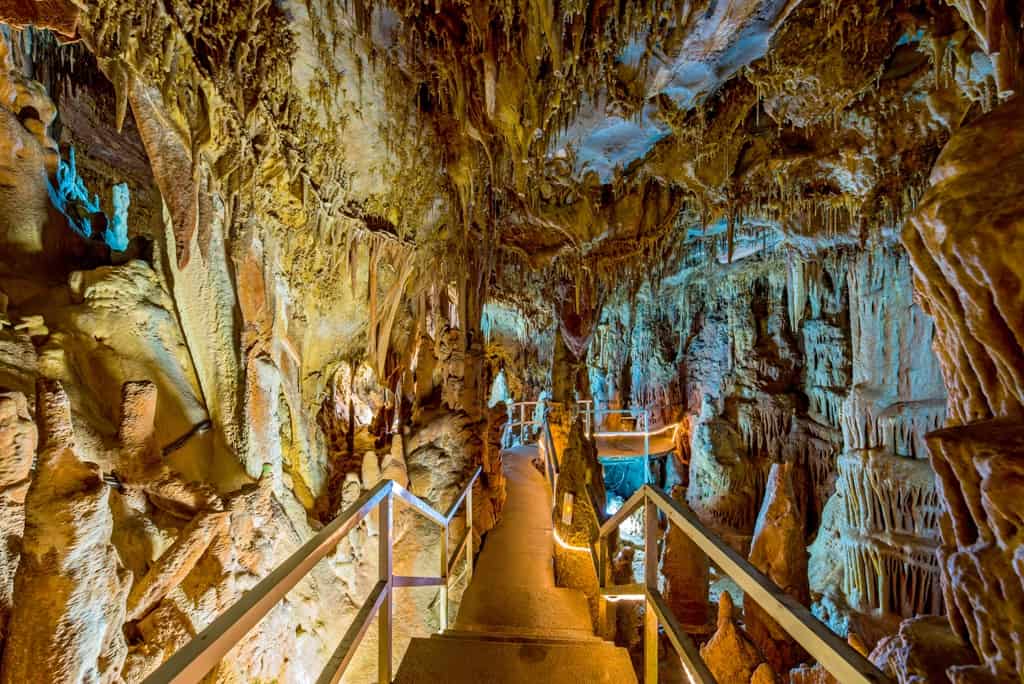
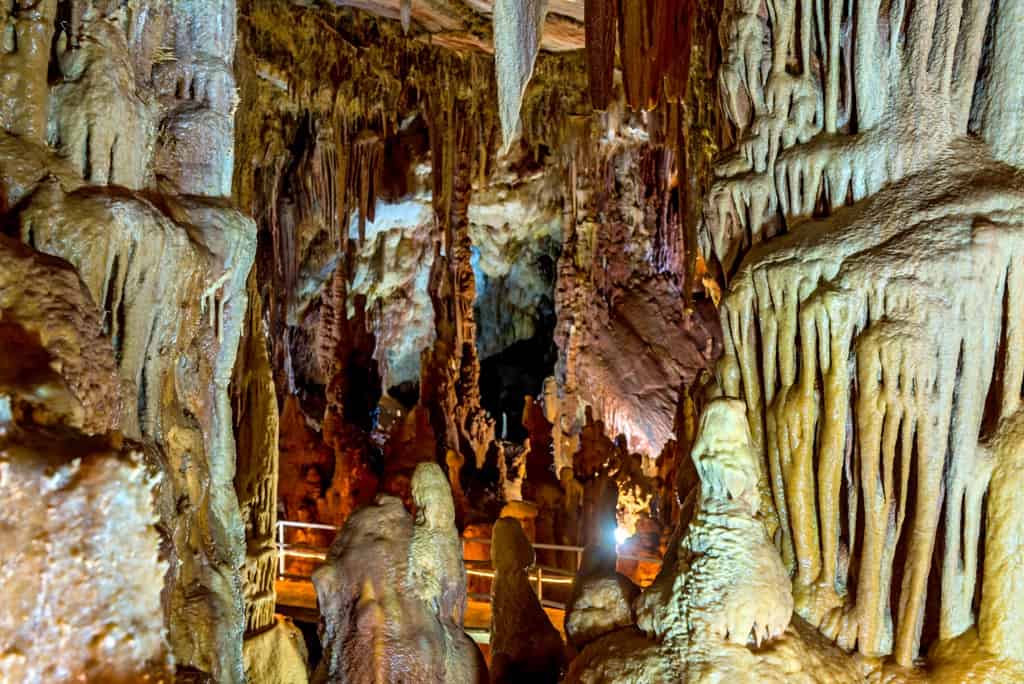
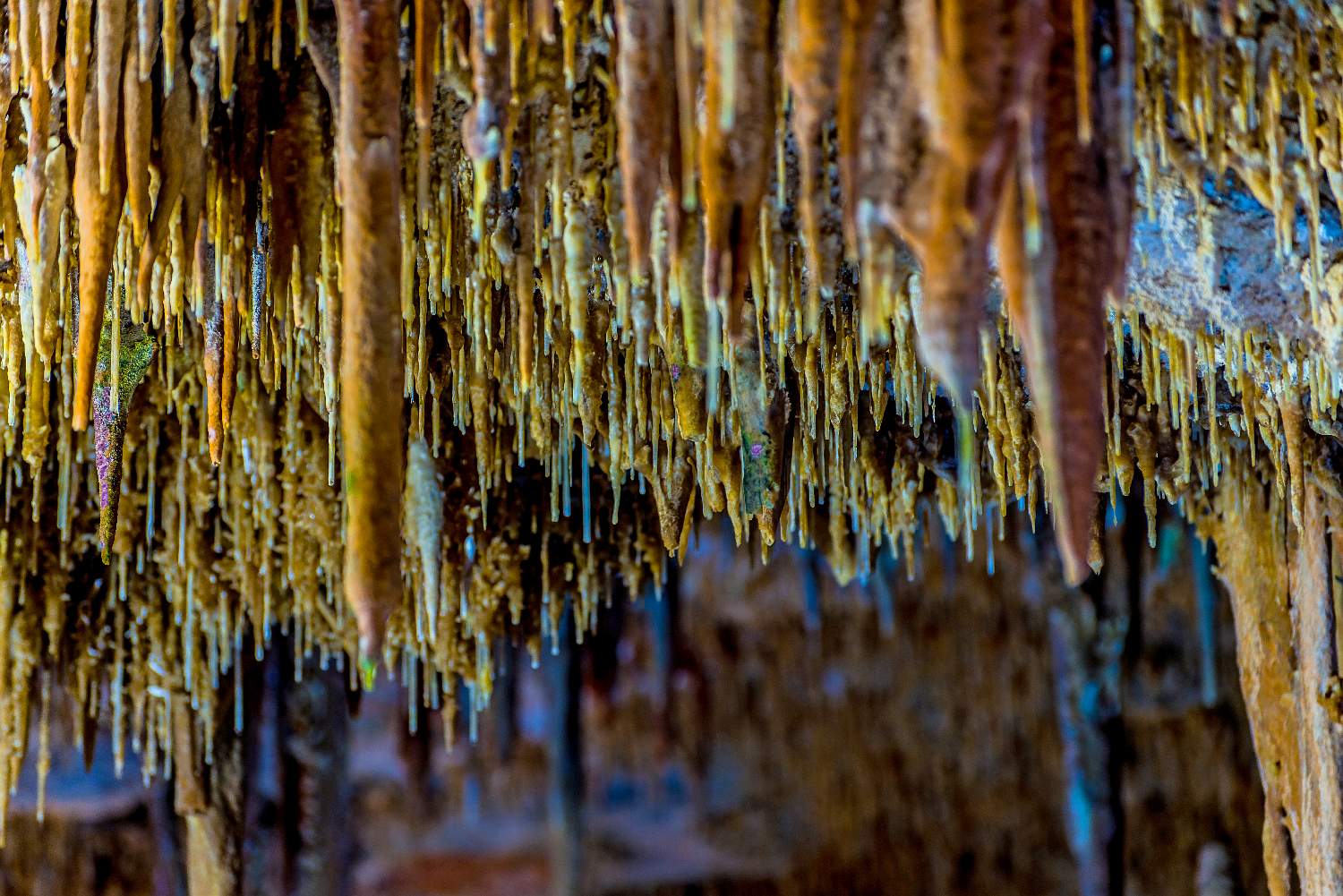
Known locally as the “Cave of the Red Stones”, the cave takes its name from the impressive colours created by mineral deposits in the rocks. Iron and bauxite formations give many chambers their distinctive reddish tones.
As you follow the visitor pathway, you will discover:
- Stalactites and stalagmites – spectacular limestone formations created over thousands of years by the slow movement of water.
- Impressive underground chambers – natural spaces shaped by geological forces over millions of years.
- The Anthropological Museum of Petralona – located next to the cave entrance, the museum completes the experience with important fossil discoveries and exhibits about prehistoric life. A short video presentation introduces visitors to the discovery of the Petralona Skull in 1960 and reveals the fascinating story behind one of Europe’s most significant prehistoric finds.
Make the Most of Your Visit
Combine your prehistoric adventure with a relaxing day by the sea.
Arrive early to enjoy a quieter visit, especially during the busy summer months. The cave’s cool interior offers a refreshing break from the Mediterranean heat, so bring a light jacket or sweater—even in July and August.
After exploring the cave and museum, continue your journey towards Kassandra. In about 25 minutes, you can reach Nea Potidea, where you can swim, enjoy fresh seafood and admire the historic Byzantine sea walls along the famous canal.
Traveler’s Tips: Make the Most of Your Visit
Turn your visit to Petralona Cave into a full-day experience combining history, nature and authentic local flavours.
Arrive early, especially during the busy summer months, to enjoy a more relaxed visit. The cave’s cool interior offers a refreshing escape from the Mediterranean heat, so remember to bring a light jacket or sweater—even in July and August.
After exploring the cave and museum, continue your journey through the authentic side of Halkidiki:
- Discover an organic farm in Nea Gonia – Experience rural Halkidiki through a visit to a family-run organic agricultural farm. Stroll through the vineyards, learn about traditional cultivation methods and taste local flavours, including handmade pies, traditional dolmadakia and locally produced tsipouro.
- Relax at the beaches of West Coast of Halkidiki – After your prehistoric adventure, head to the coast and enjoy a refreshing swim in the crystal-clear waters of Halkidiki.
- Visit Nea Potidea – Located about 25 minutes away, Nea Potidea combines history and seaside charm. Walk along the famous canal, admire the Byzantine fortifications and enjoy fresh seafood by the sea.
- Explore the villages of Halkidiki – Continue beyond the coastline and discover traditional settlements, local gastronomy and peaceful landscapes that reveal the authentic character of the region.
Petralona Cave is more than a natural attraction. It is a place where geology, archaeology and human history come together, offering visitors a unique glimpse into Europe’s distant past.
Visiting information
Opening days & hours
08:00-20:00
Daily
Tickets:
Regular: €10 | Reduced: €5
Museum of Petralona: €5 (regular),€3 (reduced)