
Where Lush Mountain Ridges Meet Living Traditions
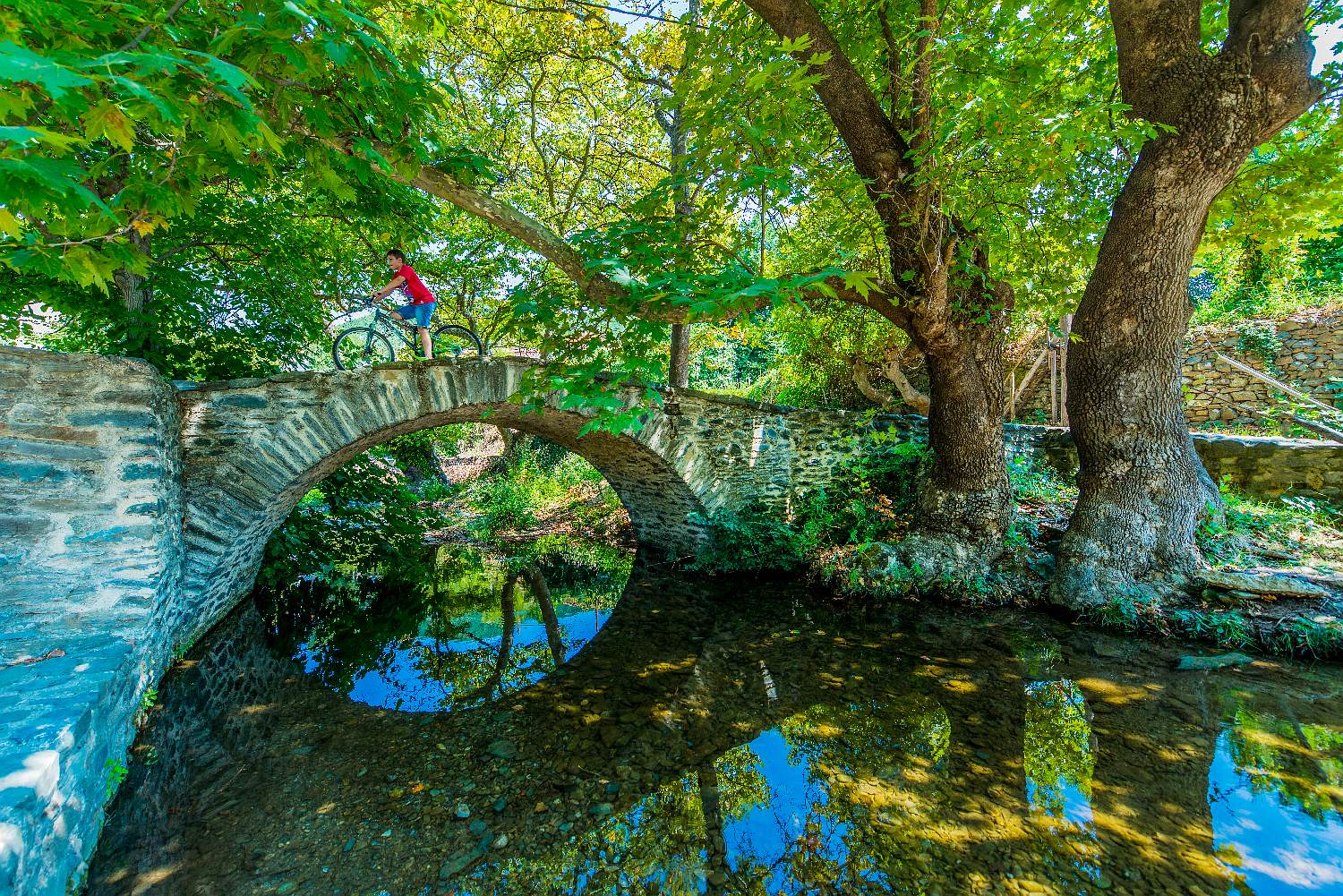
Leave the coastline behind and head into the verdant mountains of North Halkidiki to discover Megali Panagia. Tucked away from mainstream tourism, this historic mountain town offers an immersive look into authentic hospitality. The settlement is built across steep, pine-covered slopes, split by a mountain torrent that flows beneath a landmark Ottoman-era stone bridge.
The village layout retains its traditional Macedonian character. Narrow paved alleys lead past stone-built houses with characteristic wooden balconies, finally opening up to lively squares shaded by ancient plane trees.
A Tapestry of Byzantine Heritage and Master Crafts
Megali Panagia has served as a cultural anchor in the region for centuries, known for its spiritual history and skilled trades.
-
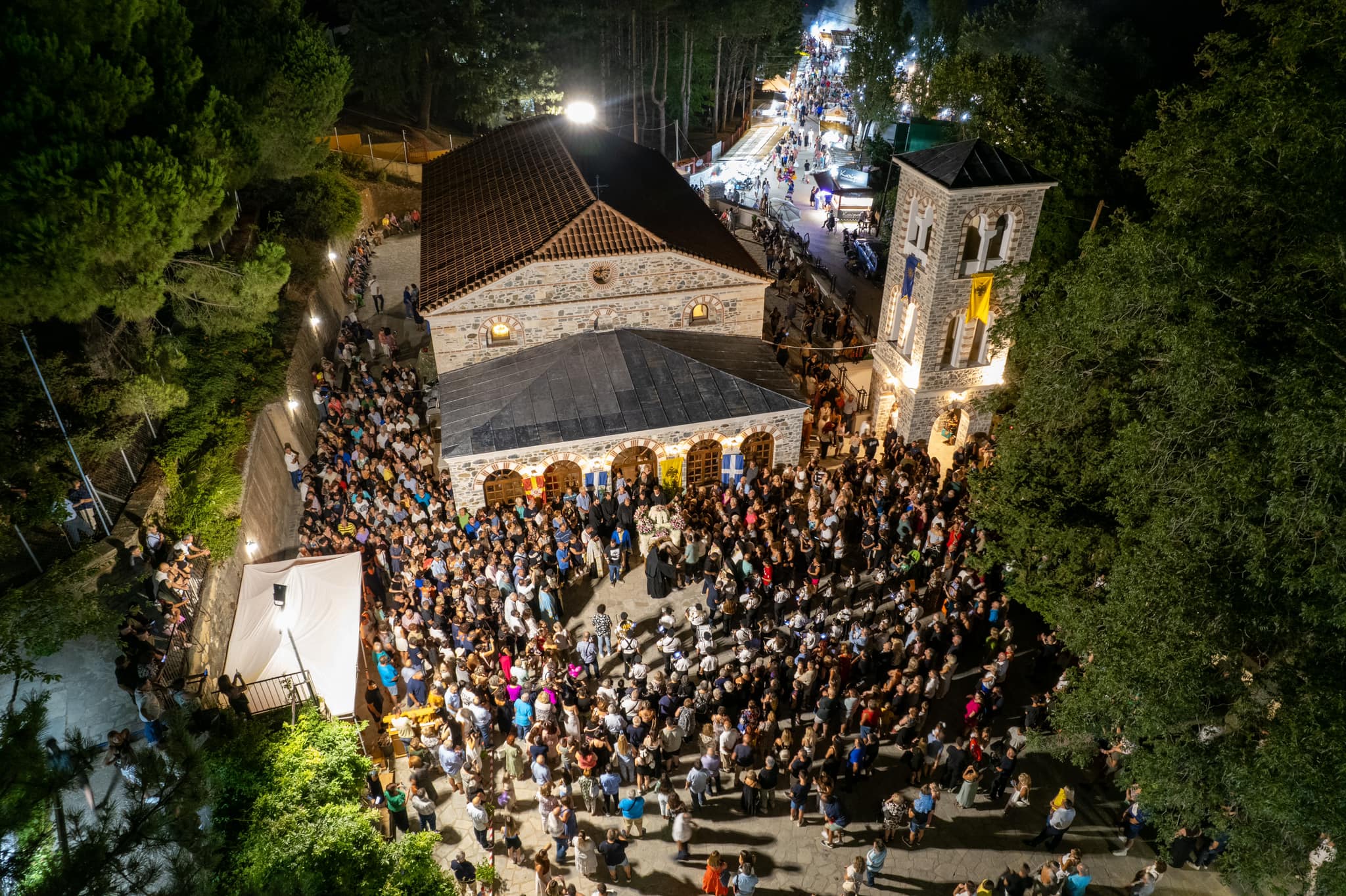
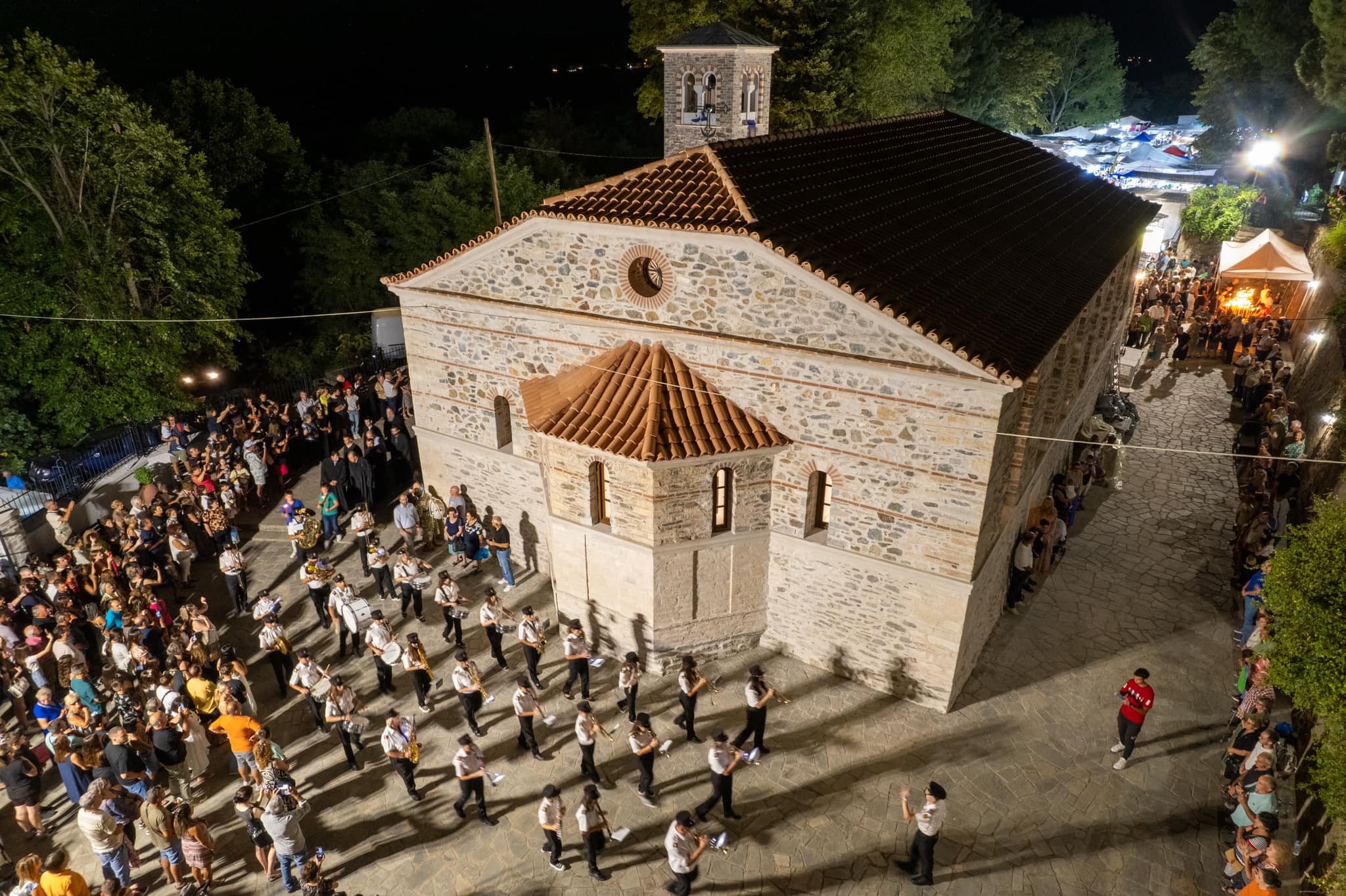
The Spiritual Anchor: The village owes its modern name to the grand pilgrimage church of Panagia (also known as Megali Panagia), located just outside the core settlement. Rebuilt after the 1932 earthquake on the site of a 10th-century shrine, it draws visitors seeking its sacred icons and tranquil hillside setting.
-
The Master Builders & Weavers: Historically, the village was famous for its expert stone masons, who helped build the monasteries of Mount Athos. It was equally renowned for its traditional hand-loomed textiles, a heritage carefully preserved in local folklore collections.
-
The Historic Stone Bridge: A beautiful, well-preserved arched stone bridge arches over the village stream. This structures stands as an architectural testament to the master stone masonry and craftsmanship that defined this mountainous hub during the Ottoman era.
Gastronomy: High-Altitude Boutique Wineries
The fertile slopes and distinct microclimate surrounding the village yield powerful, unique regional flavors, making it a cornerstone for culinary discovery.
-
Vineyard Terroir: The unique combination of cooler mountain air and rich soil on the Aristotelian slopes creates excellent conditions for viniculture.
-
Cellar Tastings: Local family-run boutique wineries open their doors for guided tours. Visitors can stroll through pristine hillside vineyards, learn about regional winemaking history, and sample world-class wines featuring intense, expressive red varieties like Limnio alongside vibrant, aromatic whites.
The Three Historic Shrines
For travelers interested in religious history, the village features three highly significant architectural monuments, each offering its own story.
-
Panagia (Megali Panagia): The main pilgrimage sanctuary, nestled among tall poplars and pines, features beautiful grounds and a rich history connected to the spiritual identity of the region.
-
Agios Vasilios: Located right in the heart of the old town, this landmark 19th-century church stands out with its grand stone architecture and beautiful interior artwork.
-
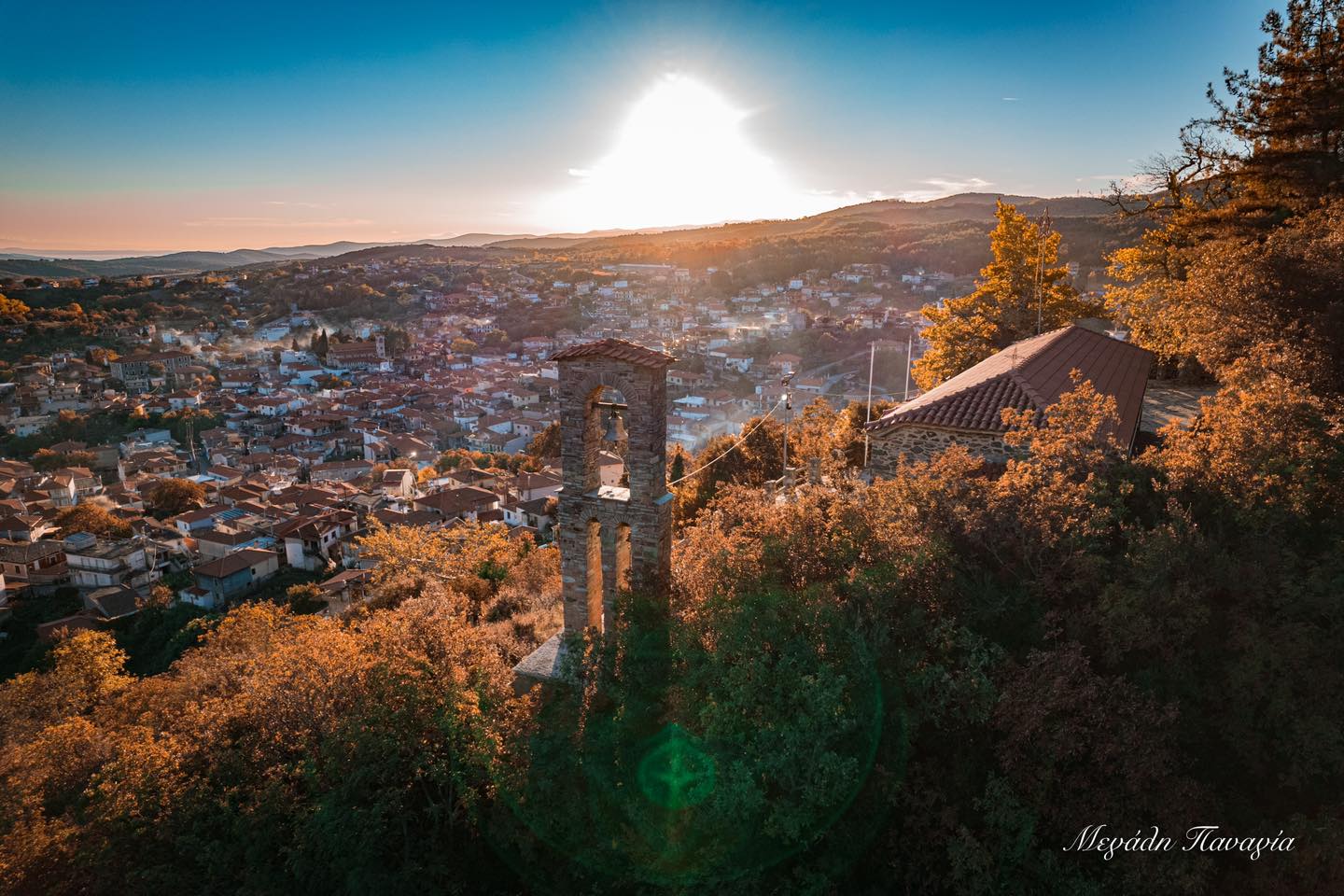
Panagouda (Little Panagia): A charming, quiet chapel perched at the highest point of the village, offering panoramic views over the terracotta roofs out to the green valleys beyond.
Seasonal Events
The Megali Panagia Festival (August 14th–16th): One of the largest religious festivals in Northern Greece. The village transforms into a massive cultural celebration with solemn church services followed by traditional dances, live folk music, and grand open-air markets that draw thousands of visitors.
The Feast of Agios Vasilios (January 1st): A winter celebration featuring local folklore customs, traditional New Year carols, and warm communal gatherings showcasing the village’s legendary winter hospitality.
Travel Tip for Explorers
A Combined Mountain Itinerary
Start your visit at the pilgrimage church of Panagia around 10:00 to enjoy the peaceful morning light. Next, drive up to the village center, park near the main square, and take a short walk to photograph the historic Ottoman-era stone bridge.
By 12:30, schedule a tasting tour at a local boutique winery to sample their signature high-altitude reds and whites paired with regional delicacies. Before leaving, make the short walk up to Panagouda chapel to capture the perfect panoramic shot of the traditional settlement as the sun starts to dip.