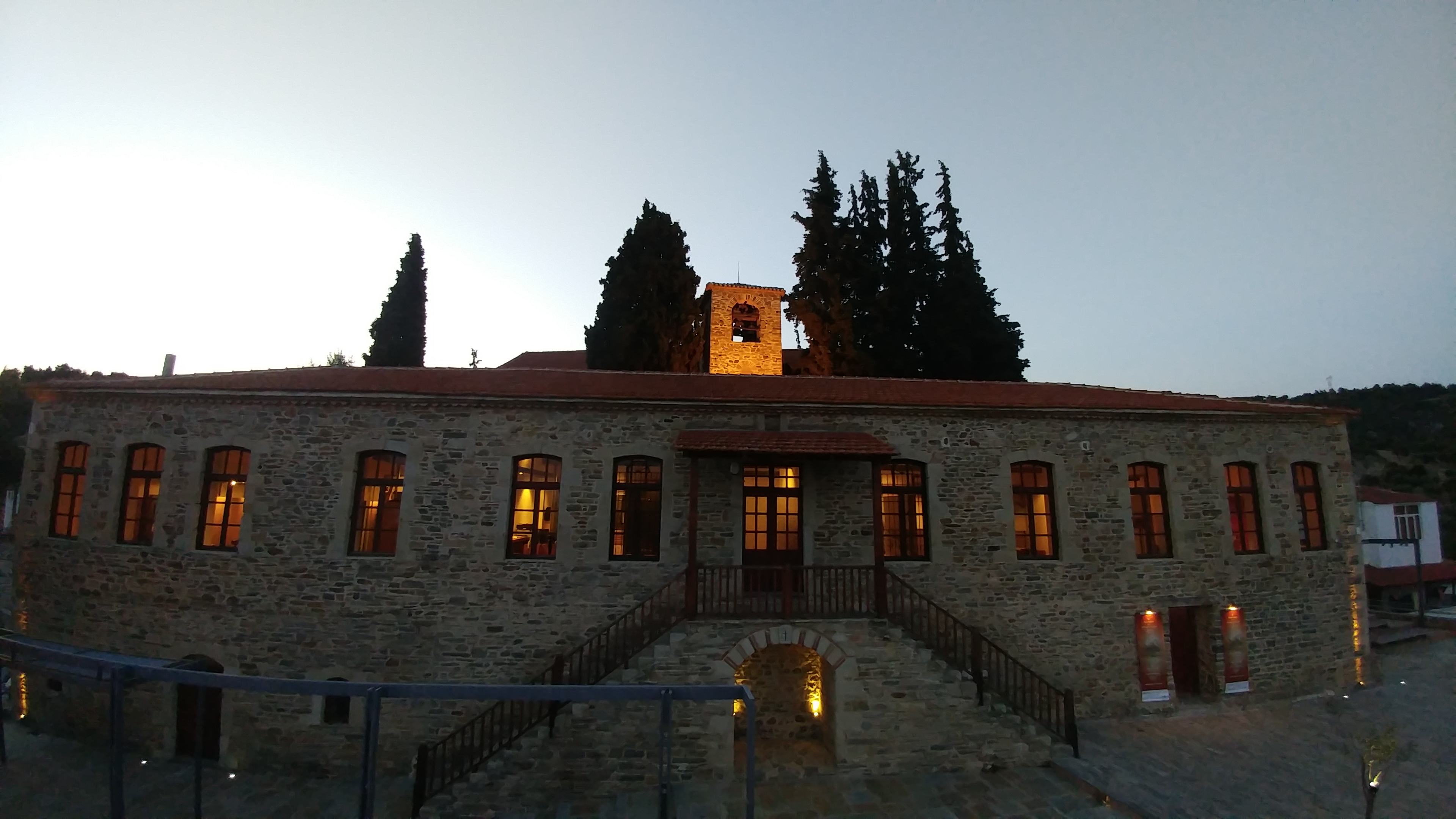
Historical and Folklore Museum of Nikiti: The Stone Vault of Sithonian Heritage
Tucked away in the upper crest of the picturesque, cobblestone old settlement (Ano Nikiti), the Historical and Folklore Museum of Nikiti stands as the definitive guardian of Sithonia’s local heritage. Housed within a beautifully preserved stone primary school built in 1870, this protected historic monument blends traditional 19th-century architecture with innovative modern interior design. Far from a static repository of dusty items, the museum uses artifacts, multimedia exhibits, and personal testimonies to tell the story of the people who shaped the economic, social, and cultural identity of the region.
A Schoolhouse Transformed by Local Memory
The foundation of the museum’s extensive collection rests entirely on a monumental community effort. Over a span of twenty years, the local inhabitants of Nikiti donated their family heirlooms, tools, and historic papers to the dedicated Nikitean philologist Mr. Dimitrios Dimaras.
Recognizing the immense value of this archive, the local municipality prioritized the building’s full integration into specialized cultural funding programs. Today, the operational oversight is managed by the non-profit partnership “Museum of Nikiti Halkidiki,” ensuring that these intimate pieces of local history remain safely preserved and available to international travelers looking for an authentic cultural experience.
Innovative Interior Architecture and Exhibits
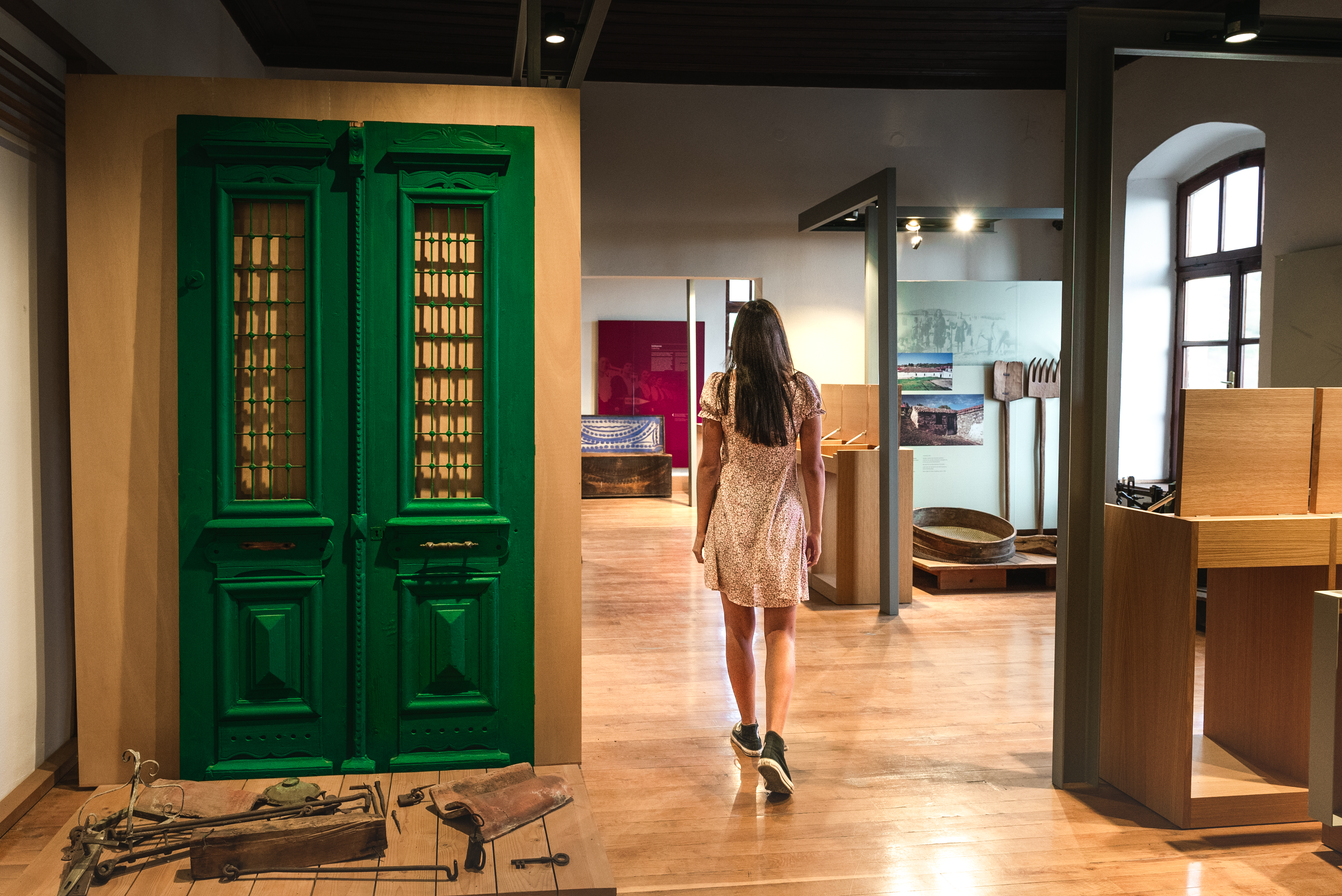
Inside the former classrooms, the simple original layout has been enhanced by a striking, award-winning architectural redesign. A continuous 66-meter-long industrial metal structure and a 22-meter-long wooden panel travel from hall to hall through the inner walls. This framing allows the exhibits and display stands to sit completely detached from the historic masonry, protecting the 1870 structure while creating a fluid, modern timeline for visitors.
The permanent exhibitions are divided into distinct thematic zones:
-
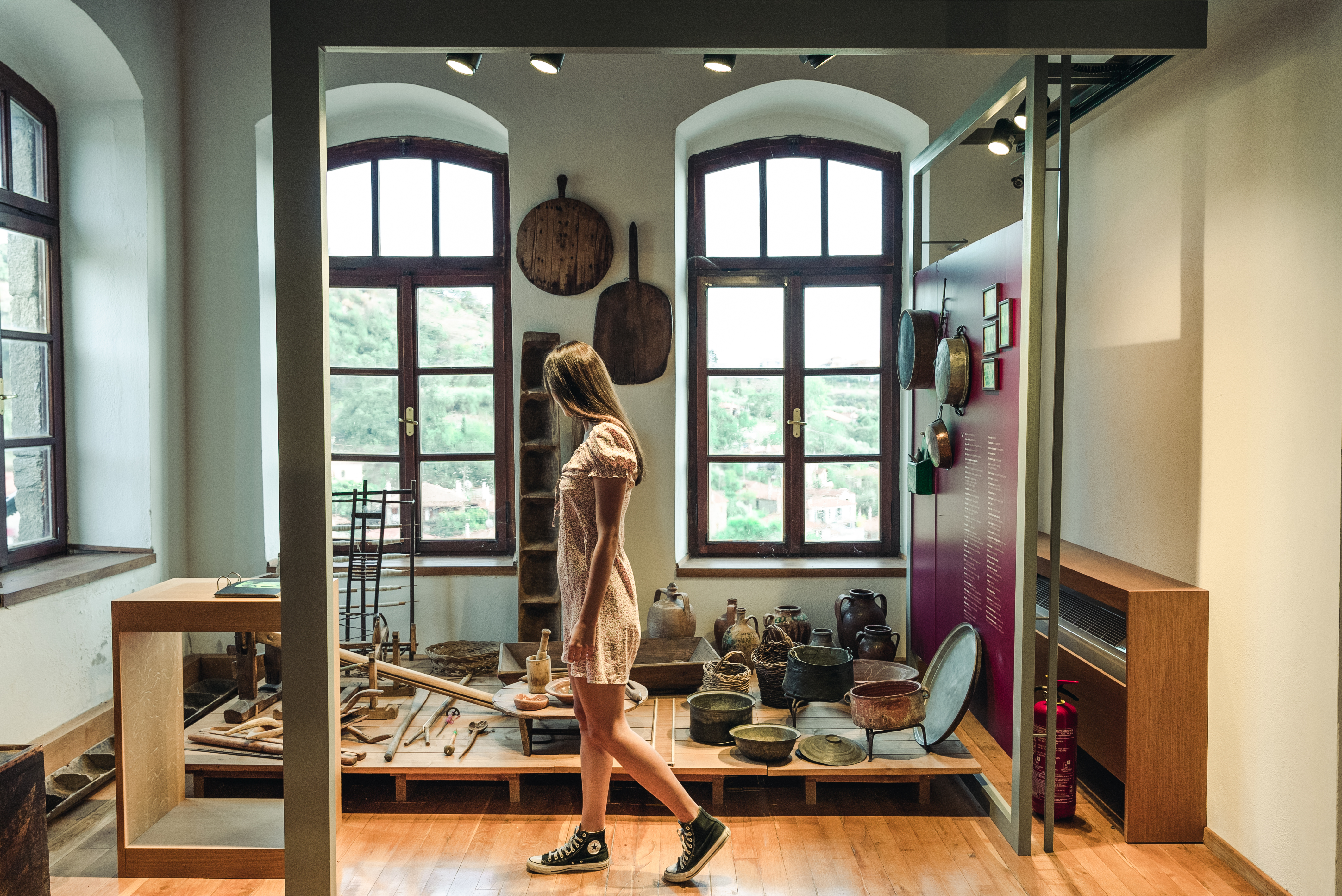
The Economic Life & Beekeeping: Nikiti is recognized across Greece as a historic capital of honey production. The exhibits showcase the traditional wooden hives, processing tools, and specialized agrarian instruments that drove the local economy.
-
Daily Life and Traditional Trades: The halls feature representations of old household activities, incorporating authentic local weavings, embroideries, everyday utensils, and traditional regional costumes.
-
The Settlement Timeline: Through historical documents, vintage photographs, and contemporary artistic photography, visitors can track the physical evolution of Nikiti from its 14th-century mountain roots down to its modern coastal expansion.
Oral Testimonies and Digital Storytelling
What sets this museum apart is its focus on human narrative. The display blocks do not rely solely on descriptive labels; they are paired with multi-layered educational media:
-
Oral Recollections: Audio stations throughout the building play recorded testimonies from older villagers, sharing personal memories of agricultural hardships, local celebrations, and historic events.
-
Film Documentary: A dedicated screening space broadcasts a short documentary film that contextualizes how the isolated settlement weathered the geopolitical shifts of the 19th and 20th centuries.
This combination of physical objects, architectural design, and digital storytelling transforms the old schoolhouse into an interactive bridge connecting past generations with modern visitors.
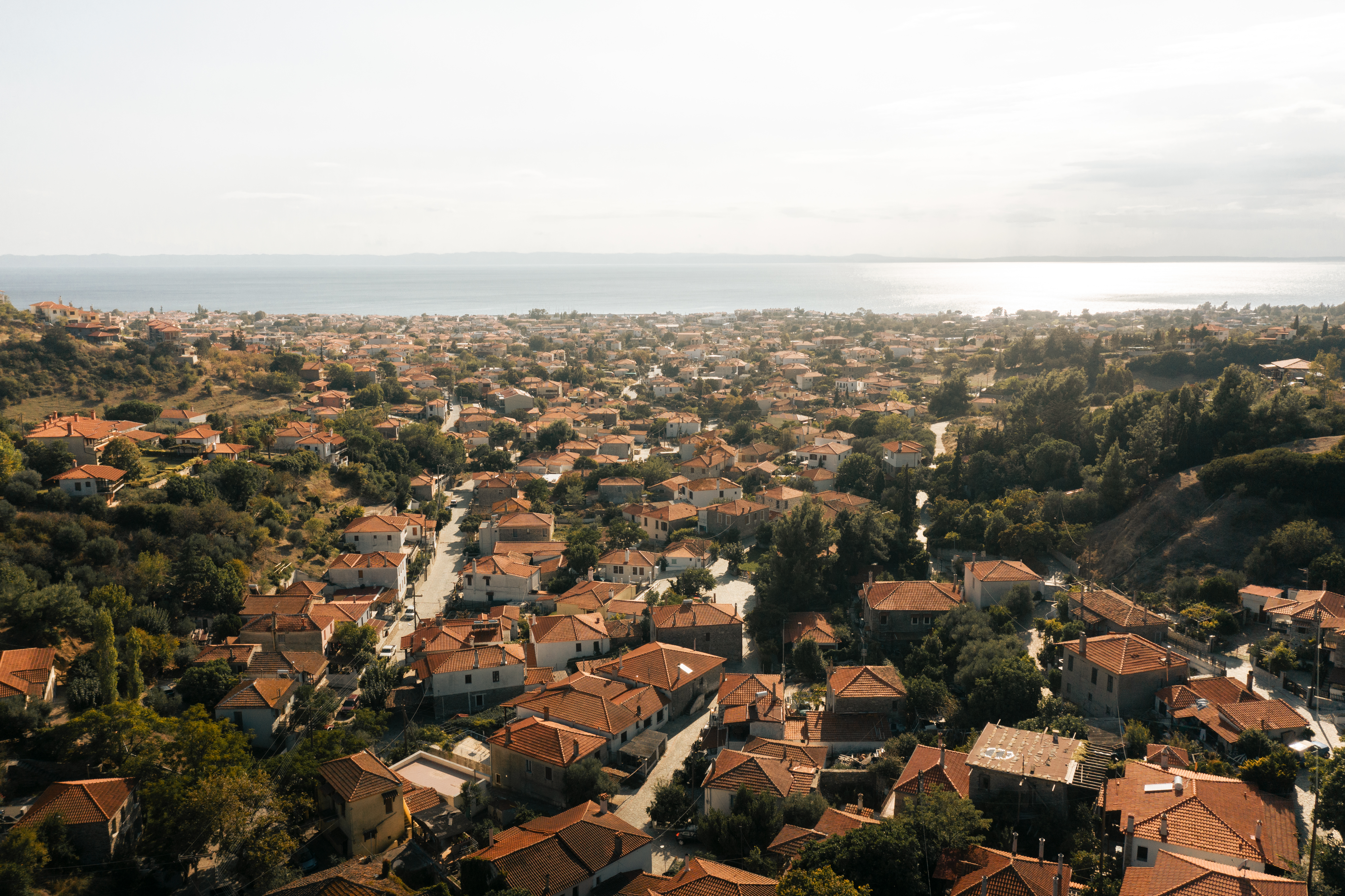
Travel Tip for Explorers: Time your visit for the late afternoon or early evening. Because the museum is typically open from 18:00 to 22:00 during the summer season, it makes for the perfect cultural stroll after a day on Sithonia’s beaches. Walk up the old cobblestone path to enjoy the golden hour light hitting the stone façade, and make sure to step into the courtyard for a panoramic view of the traditional red-tiled roofs of the village stretching toward the Toroneos Gulf. Afterward, walk down to the nearby historic Church of Agios Nikitas (built in 1867) or stop at a traditional taverna in the old square.
Visiting information
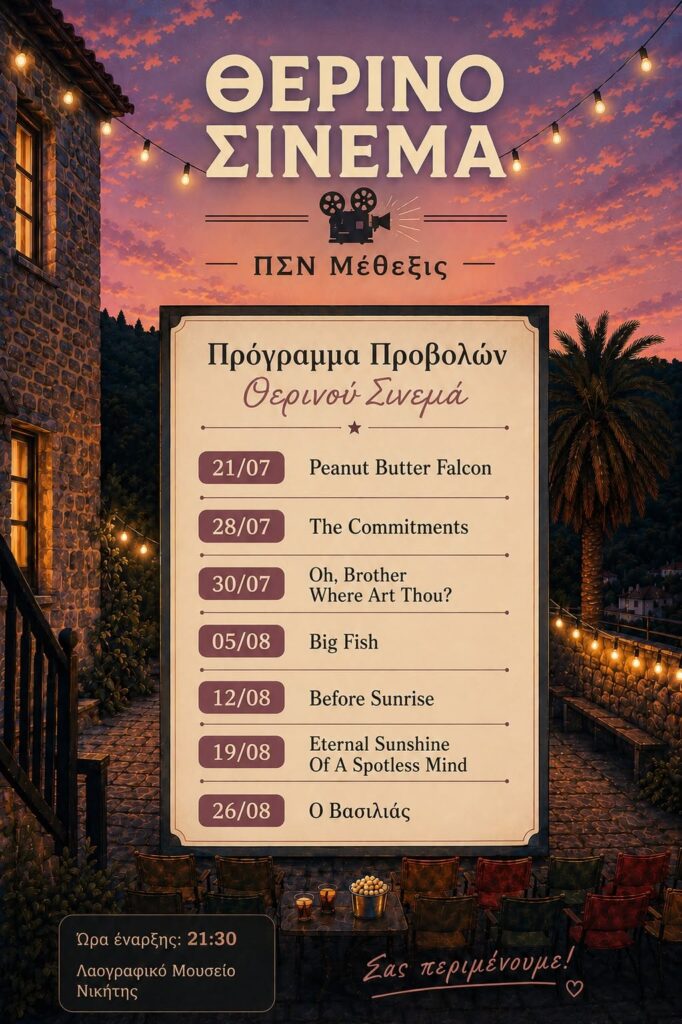
Open air Cinema nights