Ancient Olynthos: A Journey Through Classical Greece and the New Interactive Digital Museum
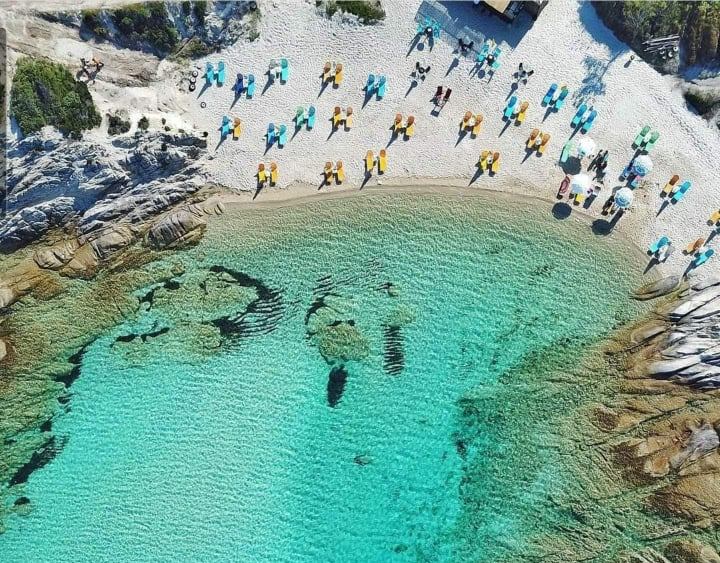
When most travelers plan a trip to Halkidiki, their minds immediately drift to endless coastlines, vibrant beach bars, and luxury resorts. However, tucked just five kilometers inland from the bustling coastal hub lies an extraordinary time capsule.
Ancient Olynthos is North Greece’s premier classical archaeological site. Once the powerful capital of the Chalcidian League, this ancient metropolis was completely destroyed by King Philip II of Macedon in 348 BCE. Because it was suddenly abandoned and never rebuilt over, it has survived as the world’s most pristine window into the daily life, homes, and neighborhood structures of Classical Greece.
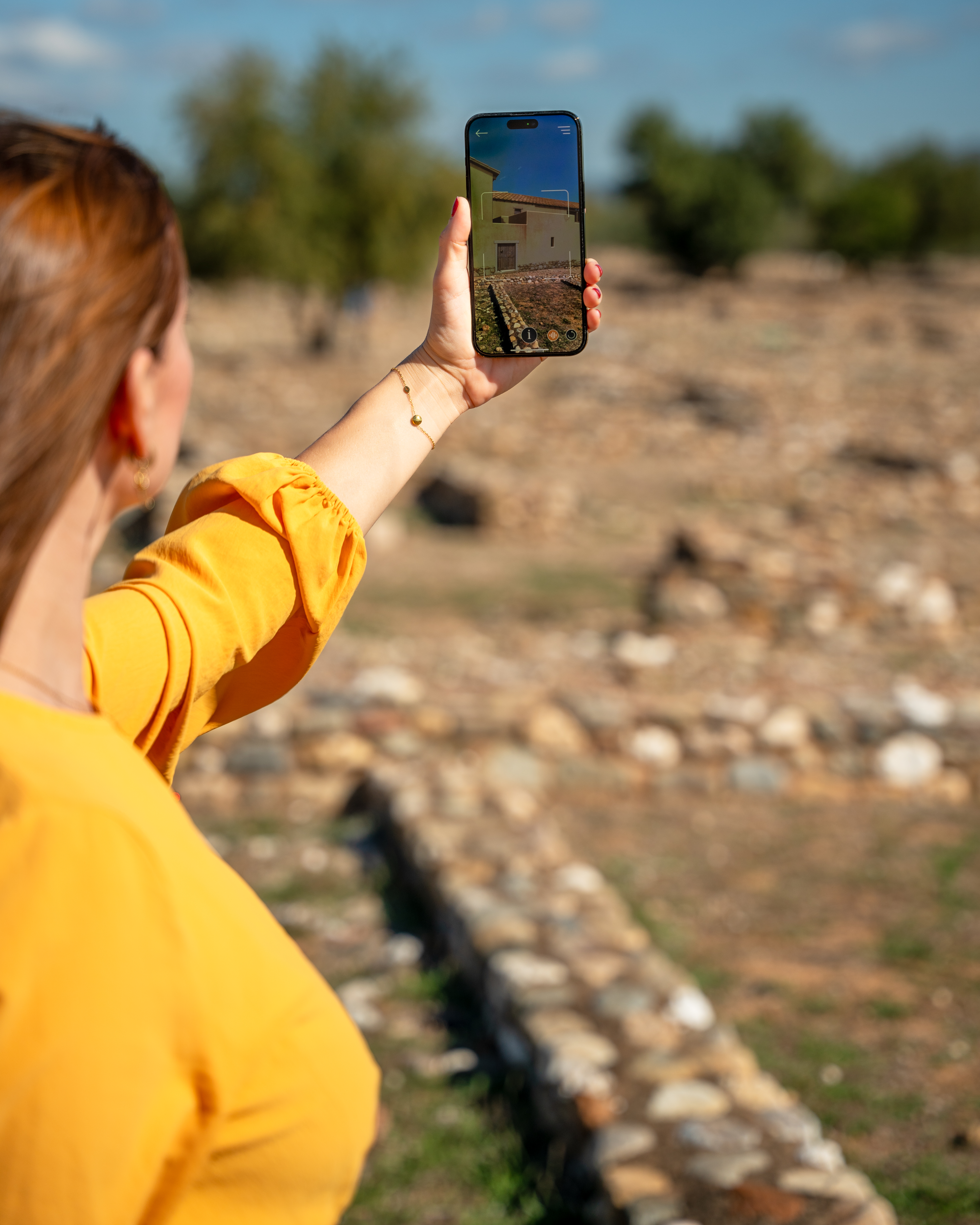
Thanks to a massive technical upgrade—the opening of the New Interactive Museum of Ancient Olynthos (AnODIC)—visitors can now experience this historic heavy-hitter like never before, blending physical ruins with cutting-edge Augmented Reality (AR).
Part 1: Exploring the Ruins of a Classical Masterpiece
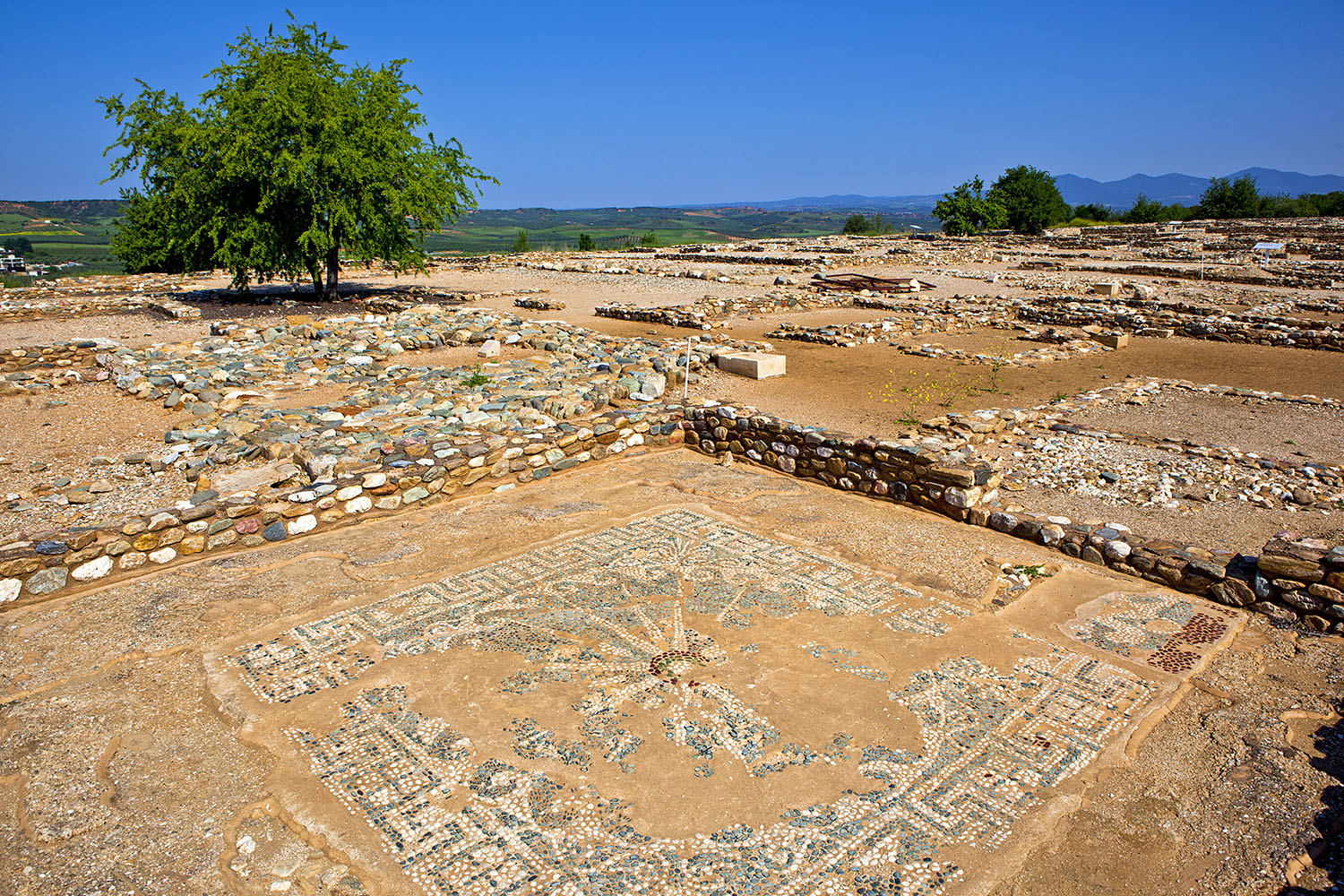
Walking over the rolling twin hills of the physical archaeological site, you will notice a level of organization rarely seen in other ancient ruins. Olynthos is globally famous among historians for its implementation of the Hippodamian grid system—the grandfather of modern city planning.
The Ultimate Grid City
Rather than a messy sprawl of buildings, the North Hill of Olynthos features straight, wide avenues crossed at perfect right angles by secondary streets. This layout divided the city into precise rectangular blocks. Each block contained exactly ten uniform, two-story homes. This wasn’t just aesthetic; it was an egalitarian democratic layout ensuring every citizen had identical plots, equal access to sunlight, and organized sewage drains.
The Houses and the Oldest Mosaics
As you walk the stone foundations, you can look straight into private classical homes (oikos). You can easily spot the pastas (the sun-catching central interior courtyards), the andron (the formal male dining room built for ancient symposia and drinking parties), and the magnificent pebble mosaic floors. Handcrafted from rounded river stones, these are some of the oldest mosaic floors ever discovered in Greece, depicting vivid mythological scenes like Bellerophon riding Pegasus.
Part 2: Step Inside the New Interactive Museum (AnODIC)
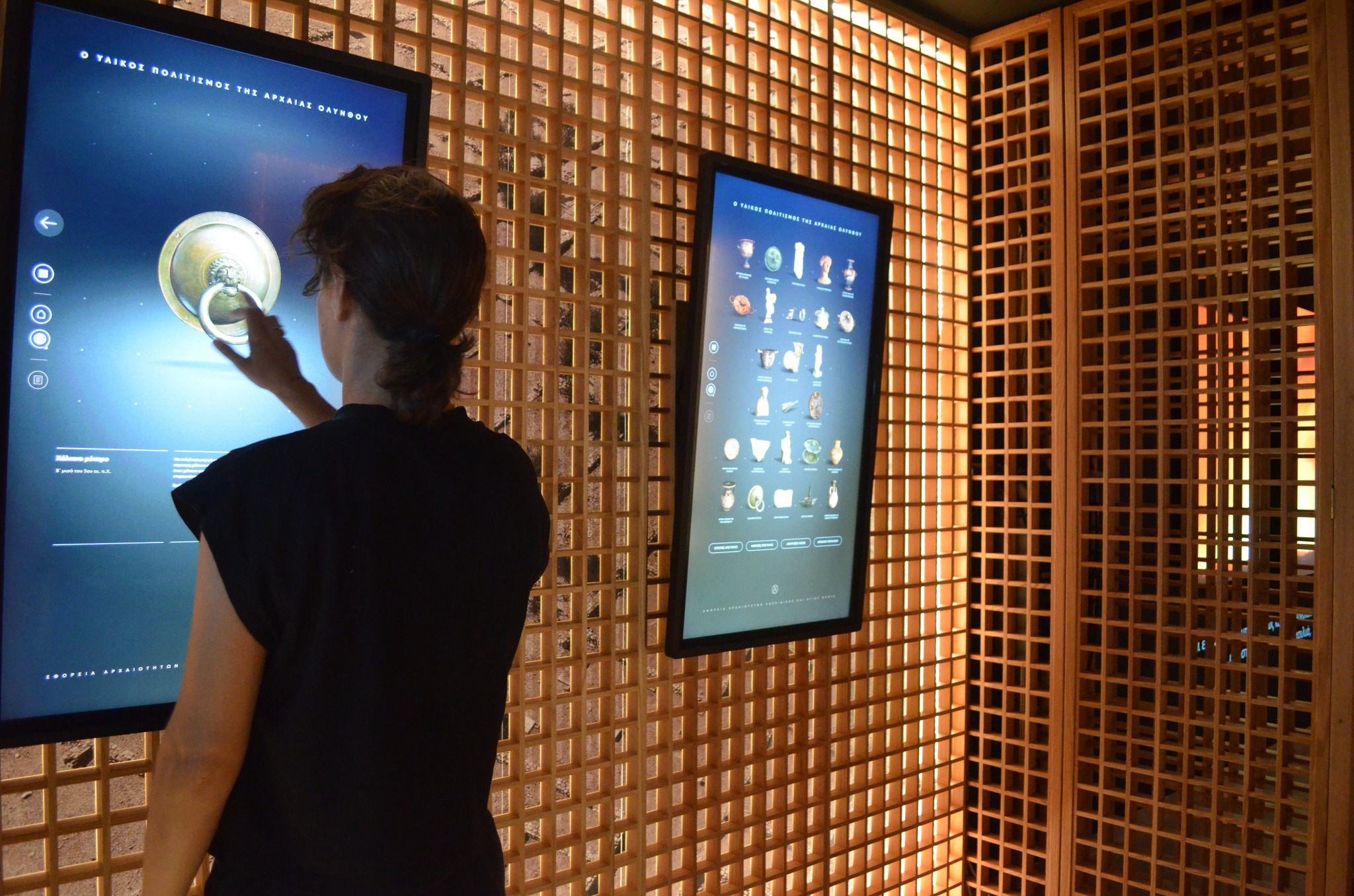
While walking the outdoor ruins shows you the stone foundations, the newly launched Ancient Olynthos Digital Information Center (AnODIC) bridges the gap between past and present. Located right at the gateway of the site, this interactive digital hub uses immersive technology to fully reconstruct the ancient city.
The museum does not display physical treasures (which are preserved in the Archaeological Museum of Polygyros); instead, it acts as a digital portal to bring those stones back to life.
What to Experience Inside the Digital Museum:
Immersive 3D Reconstructions: Walk up to interactive touchscreens and manipulate fully rendered 3D models of two-story Olynthian residences. You can visually peel back the roofs to see how timber-reinforced clay brick walls were built and how spaces were decorated.
A Journey in her Footsteps: The digital narrative beautifully personalizes history through the eyes of an interactive companion. Using the museum’s media screens, visitors can follow the daily life, routines, and games of a real 4th-century BCE Olynthian girl, told in her own words.
Virtual Site Tours: Ideal for hot summer days, interactive media consoles allow you to take a complete virtual stroll across both hills, viewing 360-degree digital panoramas of the city at its peak of power.
Part 3: The “Colonies of Halkidiki” Augmented Reality App
The true magic happens when you download the museum’s free mobile application, “Colonies of Halkidiki in Space and Time” (available for iOS and Android).
By using the app while standing directly on the physical trails of the archaeological site, your smartphone transforms into an AR lens. Point your camera at a flat field of ruins, and the app overlays the missing elements right onto your screen. You can peer beneath the soil line to visualize hidden subsurface structures, see architectural columns rise up from their stone bases, and experience a living, breathing classical town surrounding you in real-time.
Visiting information
Opening days & hours:
Daily [Tuesday closed]
08:30 – 15:30
Tickets:
Regular: 5 euro | Reduced: 3 euro