Where Your Food Has a Name and an Address
In Halkidiki, food comes with a story. Ask where the wine on your table grew, and someone will point to a hillside in Arnaia. Ask about the cheese, and they’ll mention a specific herd on Mount Holomondas. This isn’t marketing language. It’s how food actually works here.
Halkidiki’s three peninsulas hold a dense cluster of small, sustainable producers: organic wineries, family-run vineyards, mountain dairies, and food festivals built around foraged mushrooms. Together, they turn a meal into something closer to a conversation with the land itself.
Wine With a Traceable Past
Halkidiki has made wine since antiquity. Classical writers referenced it. Today, that history continues through a mix of large estates and small family operations, many built on sustainability rather than scale.
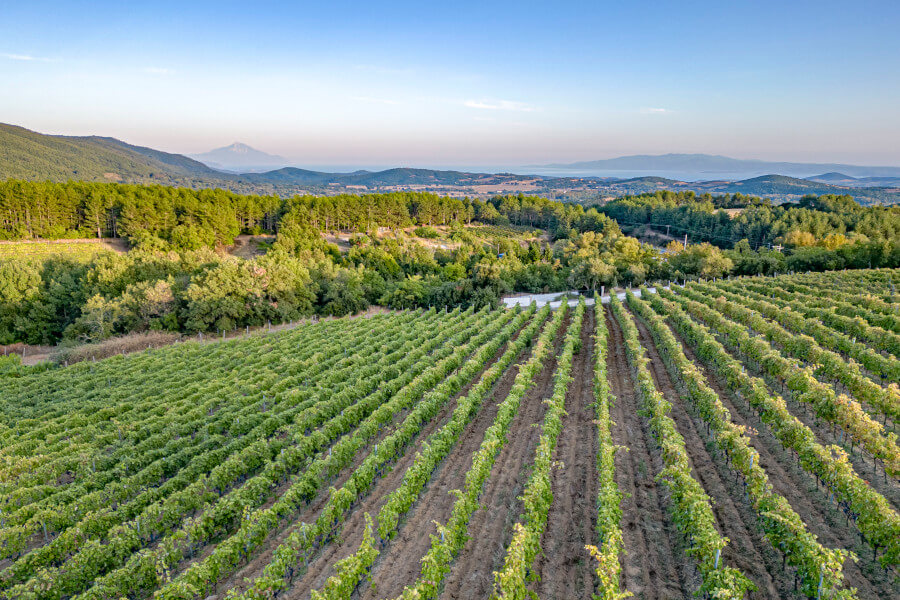
Domaine Porto Carras, near Neos Marmaras, holds the title of Greece’s largest single organic vineyard estate. It’s a rare thing: an organic operation this size, producing wines under Halkidiki’s own PDO label, Plagies Melitona (Meliton Slopes), one of only a handful of PDO wine zones in Greece.
In the mountain village of Arnaia, smaller organic wineries take the same care further, farming indigenous varieties like Malagouzia, Assyrtiko, and Xinomavro under integrated pest management rather than chemical spraying.
For visitors, this means wine tourism here isn’t performative. You can walk the actual vineyard, meet the person who pruned the vine, and taste a wine tied to one specific hillside, not a regional blend.
Olives That Gave Halkidiki Its Name Abroad
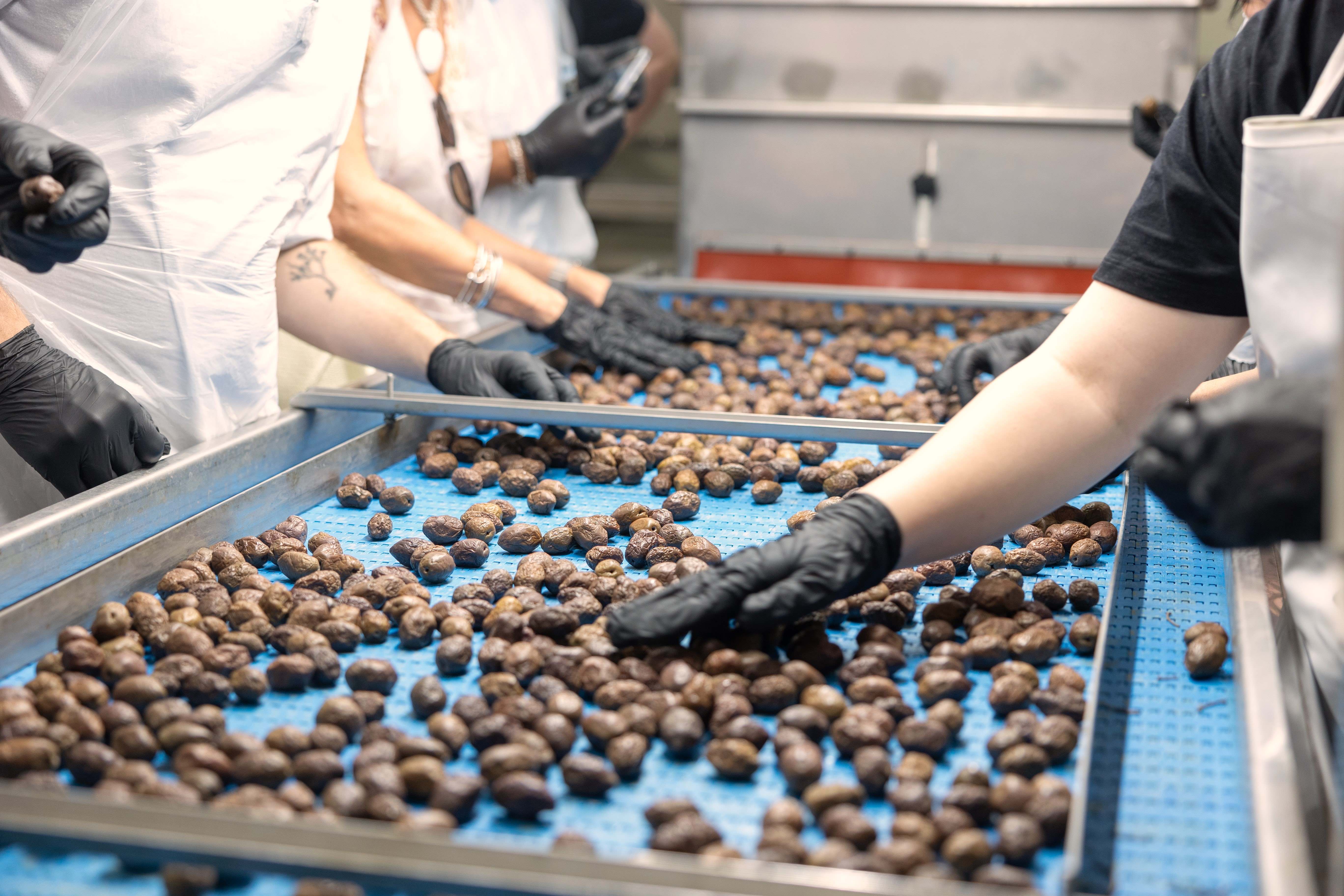
Long before “sustainable” was a word anyone used, Halkidiki was already known for one thing: its olives. The green Chalkidiki table olive is one of the most recognized olive varieties in the world, large, firm, and grown across Kassandra and Sithonia in groves that have shaped the local landscape for centuries.
The same trees give Halkidiki olive oil, and, for a short window each November, agourelaio — the first-press oil made from unripe, hand-picked olives. It’s sharp, peppery, and available only briefly, which makes it one of the region’s most seasonal products. Producers who wait for full ripeness get a milder oil later in the season, but agourelaio remains the one locals watch the calendar for.
Fish, Straight Off the Boat
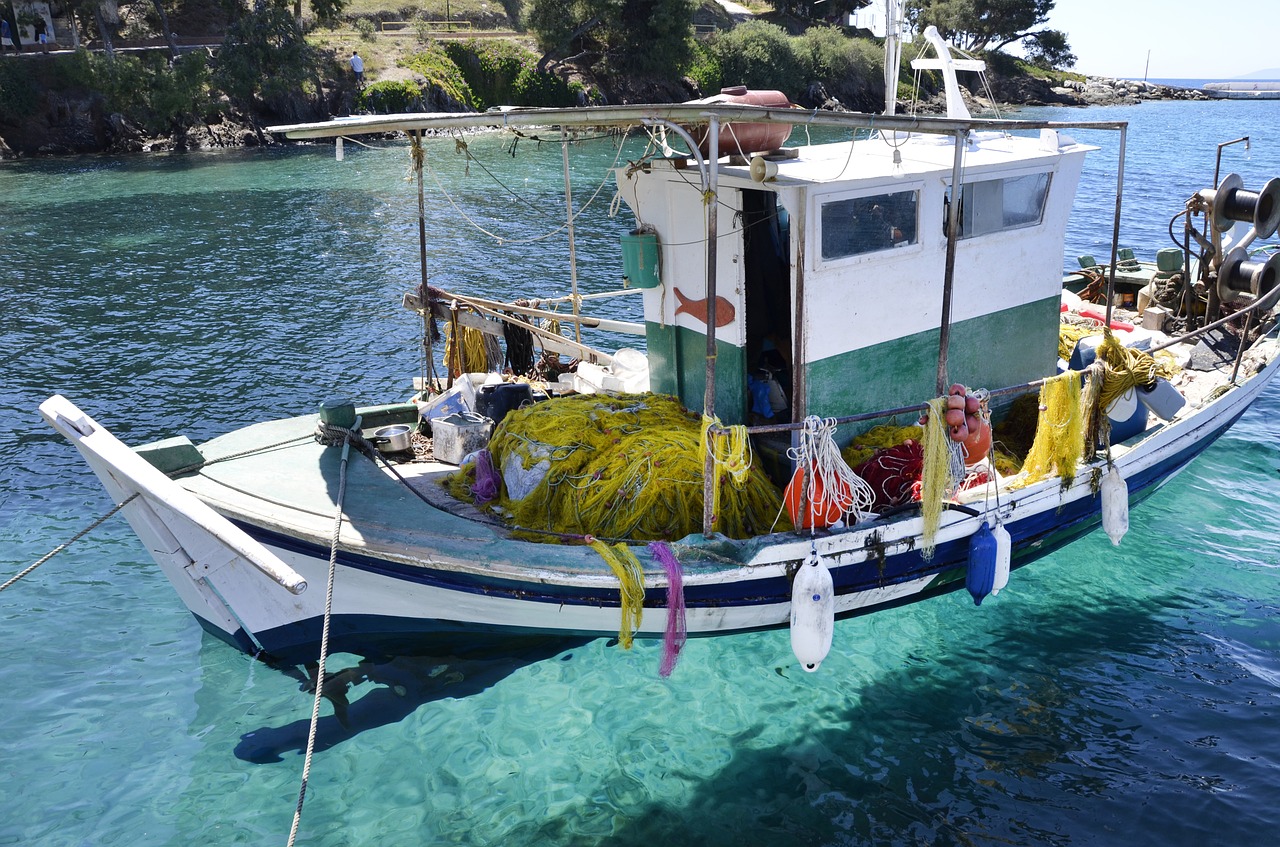
Halkidiki’s coastline isn’t just for swimming. Small fishing communities in Ormylia, Nea Moudania, Ouranoupoli, and along the Sithonia coast still send boats out daily, bringing in sea bream, sea bass, sardines, and octopus sold the same morning at the port or straight to nearby tavernas.
This short supply chain, boat to taverna, sometimes in under a few hours, means the fish on the table travelled less than the tourists eating it. It also keeps a traditional livelihood alive on a coastline that could easily have turned entirely toward tourism.
Fruit and Vegetables, Grown Without Shortcuts
Away from the coast, small farms across Halkidiki’s inland villages grow fruit and vegetables the traditional way: seasonal crops, natural fertilization, and minimal spraying. Cherries, apricots, quince, and grapes from these farms often end up in home-style spoon sweets, jams, and preserves, a habit that goes back generations. Buying direct from these growers, at village markets or roadside stands, is one of the simplest ways to support that model.
Open Farmers’ Markets, Straight From the Producer
Most towns across Halkidiki hold a weekly open-air farmers’ market, known locally as a laiki (λαϊκή αγορά). Producers set up stalls directly, selling what they picked or harvested that same week: seasonal vegetables, fruit, cheese, olives, honey, and eggs, often at prices well below supermarket rates because there’s no middleman.
For visitors, a laiki is one of the fastest ways to see Halkidiki’s food economy in motion. You’re buying from the person who grew it, asking questions about the harvest, and often getting pointed toward a smaller farm or family business worth visiting next. Ask your hotel or the local municipality for the nearest market day, since schedules vary by town.
Meat Raised in the Mountains
The mountainous interior around Holomondas and the Arnaia area supports small-scale livestock farming, sheep and goats raised on natural mountain pasture rather than intensive feedlots. This slower system produces the milk behind the region’s mountain cheeses and meat that shows up on tavernas’ grills across the peninsula, another link in a food chain that stays short and local by necessity, not by trend.
Honey From the Forests of Arnea
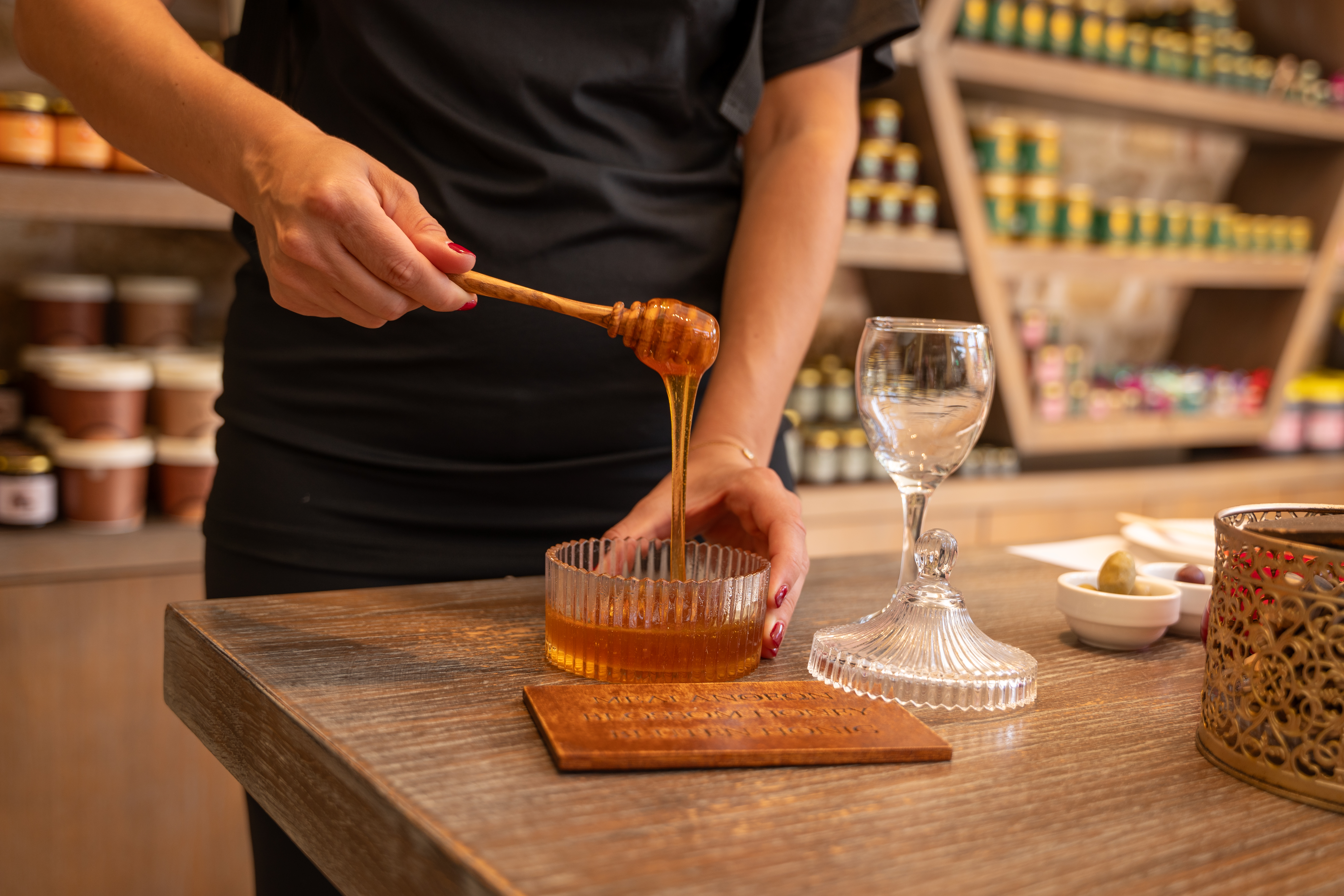
Halkidiki’s mountains, especially around Arnea and Holomondas, produce some of Greece’s most distinct honey. Dense pine, chestnut, and wildflower forests give local beekeepers a range few regions can match: pine honey with a deep, resinous flavor, chestnut honey with a sharper, bitter edge, and lighter thyme and wildflower varieties from the lower slopes.
Small, family-run apiaries still work these forests the traditional way, moving hives with the seasons and harvesting by hand. It’s slow, weather-dependent work, and it shows in the honey: batches vary year to year, forest to forest, the same way wine changes with the vintage.
Cheese From a Specific Mountain
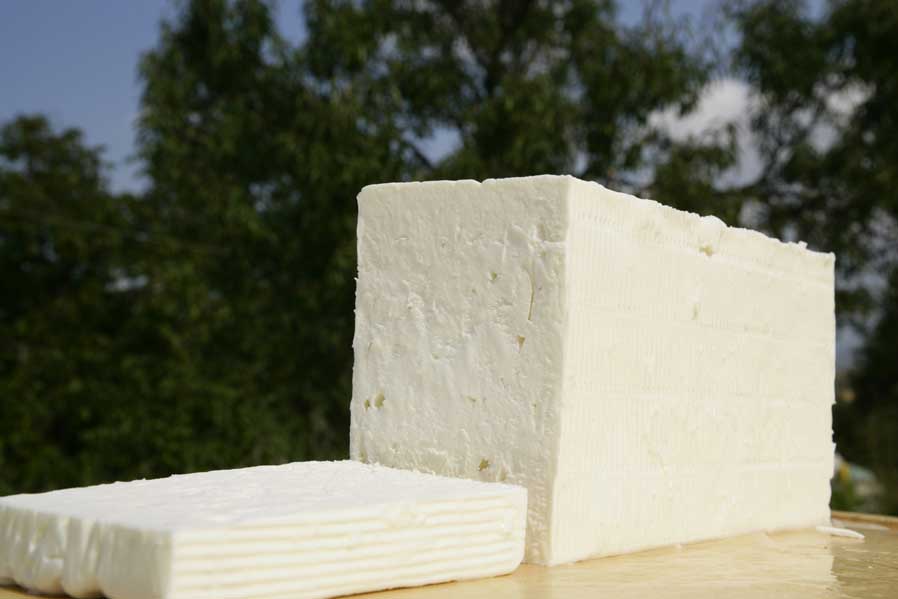
Mount Holomondas produces some of the region’s best goat cheese, shaped by its own soil and microclimate. The same mountain slopes grow wild herbs — pomegranate, wild rose, chamomile, mallow — that show up in local kitchens and local medicine cabinets alike. Kassandra and Sithonia add their own versions of organic cheese production, each shaped by different terrain and different herds.
This is what sustainable gastronomy looks like in practice: not a certification sticker, but geography doing the work. Change the mountain, change the cheese.
Festivals Built Around What Grows Here
Halkidiki’s sustainability shows up in its calendar, too.
Every September, the Trade Fair of Agios Mamas, near Nea Moudania, brings together farmers and producers from across the region for one of northern Greece’s oldest agricultural festivals. It’s less a tourist event than a working market that happens to welcome visitors.
In autumn, the mountain village of Taxiarchis hosts a Mushroom Festival, celebrating the forest foraging traditions of the Holomondas range. Free tastings, traditional mushroom pies, and live music mark a harvest that depends entirely on the health of the surrounding forest — a direct, visible link between ecosystem and plate.
Hotels and Restaurants Closing the Loop
None of this stays confined to farms and fishing boats. A growing number of hotels, restaurants, and tourism businesses across Halkidiki now build their menus around what’s grown, raised, or caught nearby, rather than importing from central distribution. Local olive oil replaces generic bottled oil. Local cheese replaces imported alternatives. Fish arrives from the same coastline guests are staying on.
This matters for two reasons. It keeps money inside the local economy, supporting the same small producers this article describes. And it gives visitors a more honest version of Halkidiki: a plate that reflects the region instead of a menu that could be served anywhere in the Mediterranean.
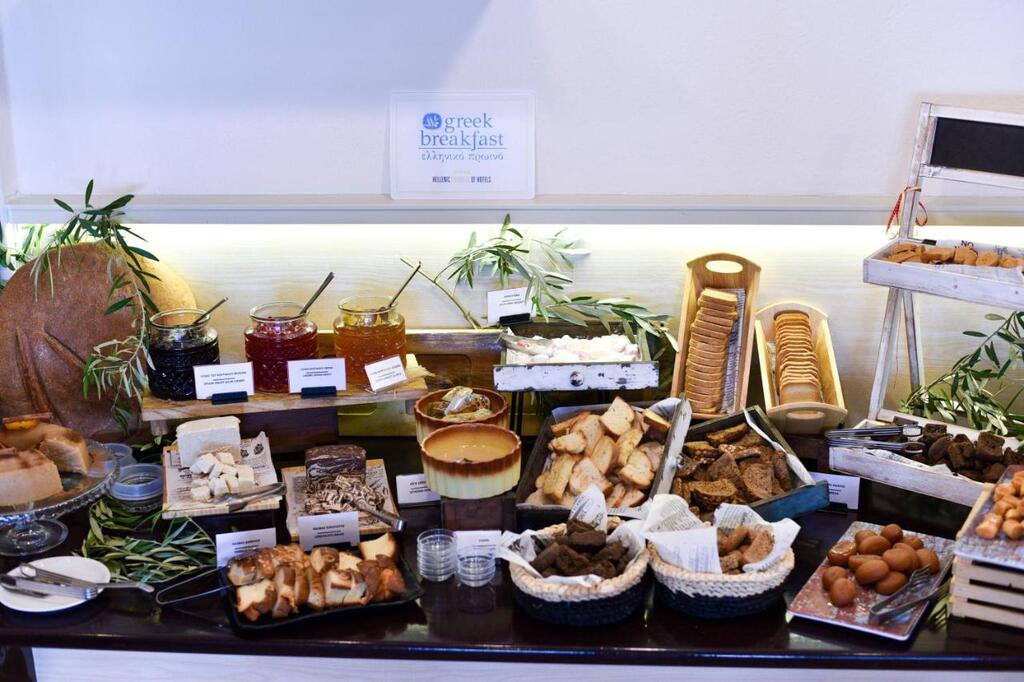
One initiative makes this official. Halkidiki hotels take part in the Greek Breakfast program, run by the Hellenic Chamber of Hotels. Participating hotels build their breakfast menus around local products: regional bread and rusks, Halkidiki olive oil and olives, honey, cheese, cured meats, fresh vegetables, and seasonal fruit. It turns the first meal of the day into a direct introduction to the region, and a direct line of support to its producers.