
The Sanctuary of Kassandra: Sani Wetlands
Discover the Coastal Wetlands of Kassandra
While the westernmost leg of Halkidiki is globally famous for its luxury beachfronts and high-end resorts, it conceals one of the most vital ecological treasures in northern Greece. Just a few steps from the coastline lie the Sani Wetlands. This sprawling freshwater lake and marsh network stands as a premier example of successful eco-preservation and alternative tourism in Halkidiki.
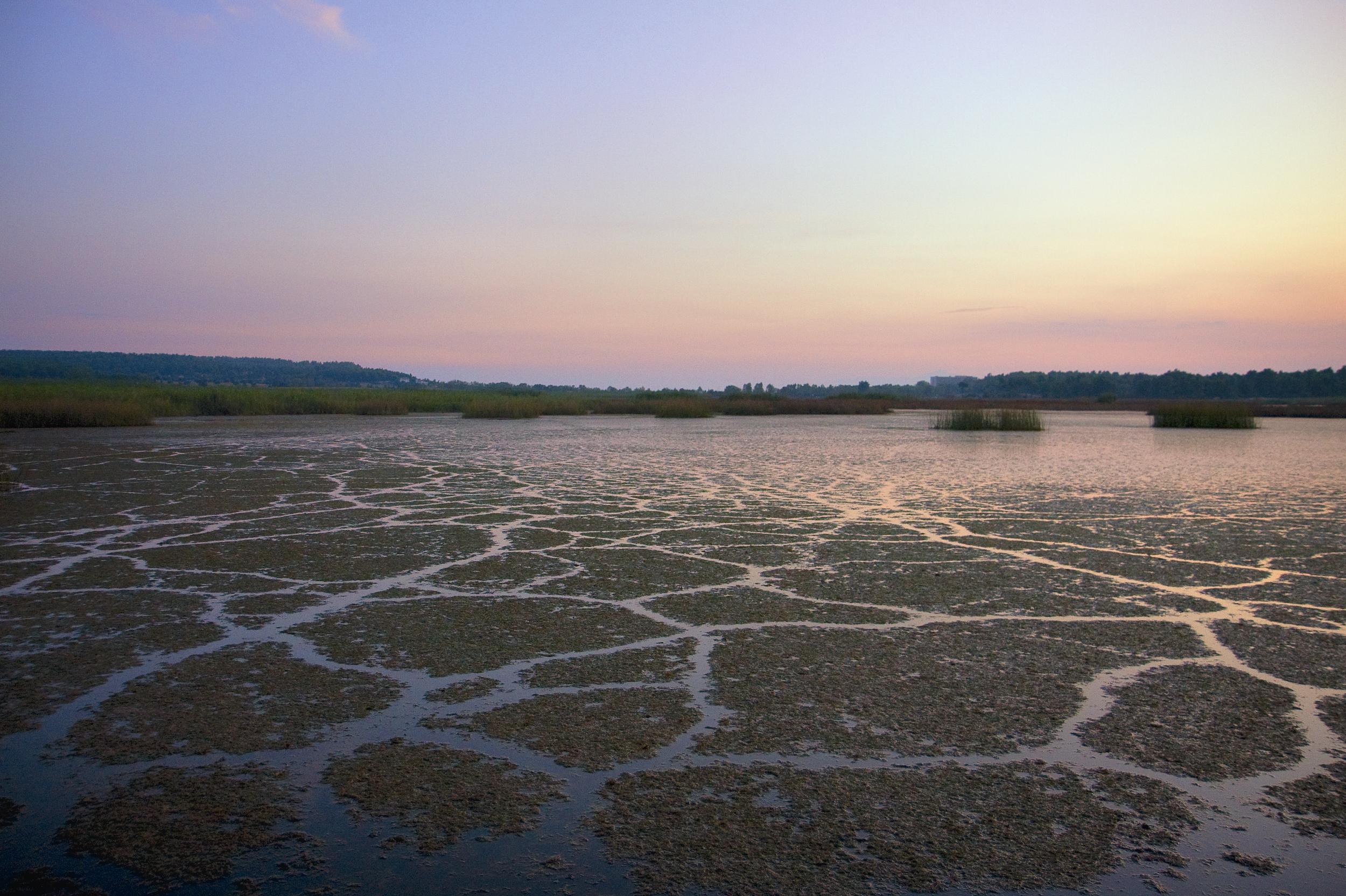
The wetland owes its rich biodiversity to the unique mix of fresh water from underground mountain springs and nearby brackish coastal marshes. This fertile habitat keeps the surrounding landscape vibrant all year long, providing a stark green contrast to the typical dry summer terrain of the peninsula.
Bird Watching and Managed Trail Loops
The Sani Wetlands feature pristine infrastructure tailored for outdoor lovers, offering clear, scannable routes that highlight the best of bird watching in Halkidiki.
-
The Eco-Trail Network: Over 10 kilometers of flat, well-marked walking tracks run through the pine woods and orbit the lakes. The paths feature clear informational boards detailing the resident wildlife and plant species.
-
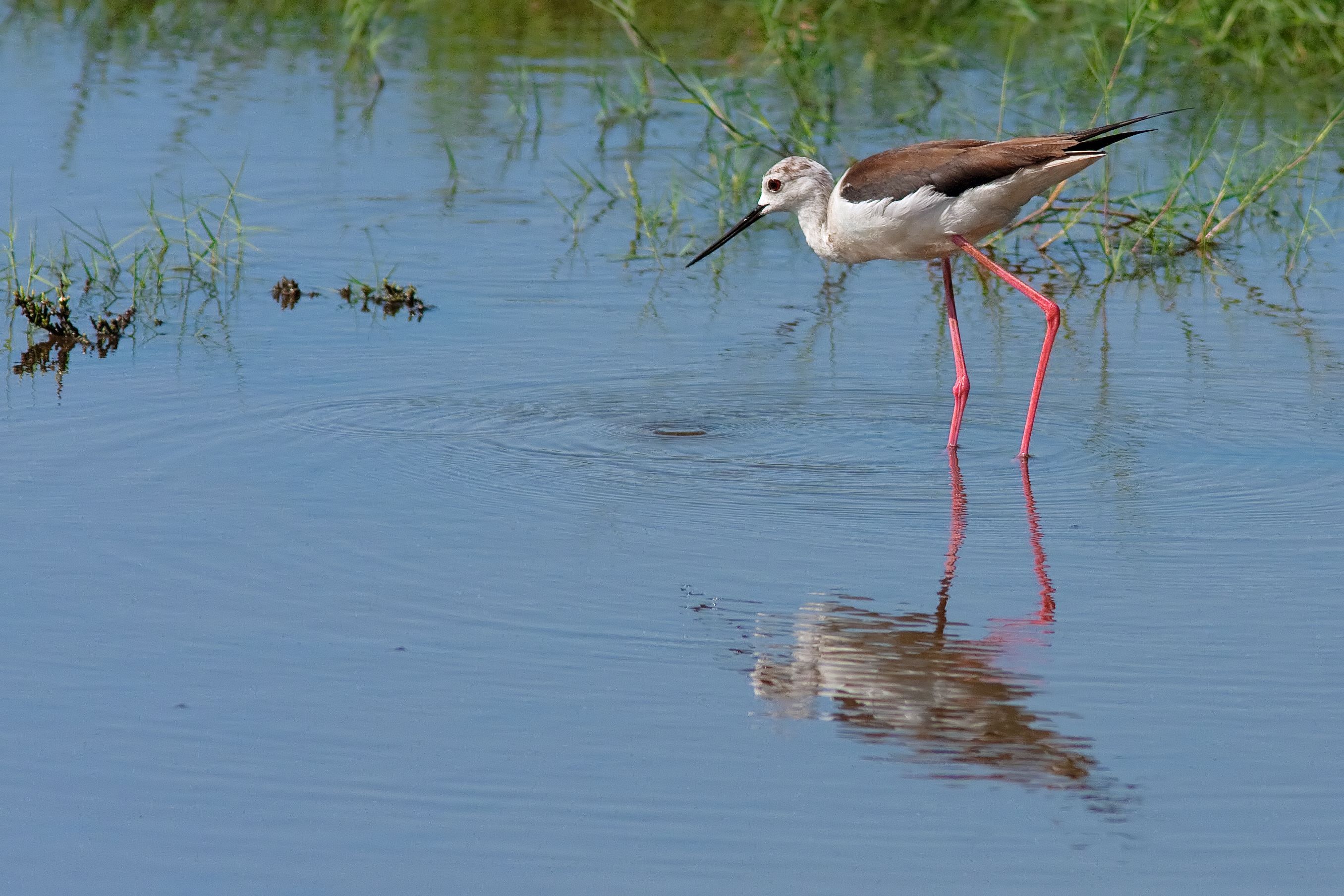
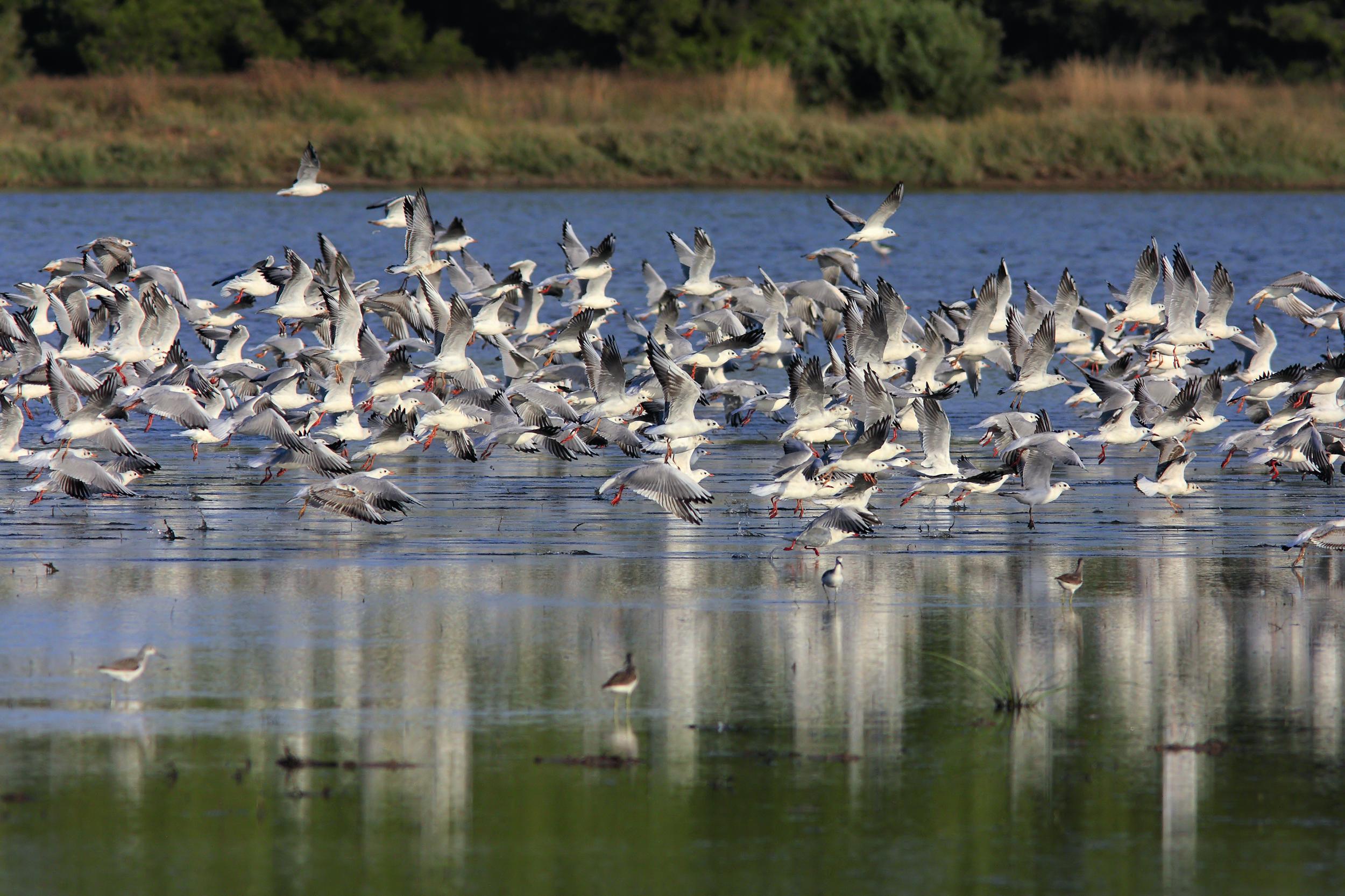
Bird Watching Outposts: Built entirely from sustainable timber, specialized observation blinds and elevated hides sit at key locations along the water’s edge. Bring your camera to spot rare species like the glossy ibis, marsh harriers, elegant egrets, and massive seasonal flocks of greater flamingos.
-
Low-Impact Design: The entire layout is engineered to let visitors get close to nature without disturbing the delicate nesting areas or degrading the fragile marsh banks.
Sustainable Synergy & Historical Footprints
The balance between modern comfort and raw nature defines the area’s authentic hospitality:
-
Ancient Roots: The wetlands sit next to historic sites, including the prominent Stavronikita Byzantine tower on the nearby headland. This tower originally guarded the agricultural dependencies of Mount Athos monasteries centuries ago.
-
Environmental Balance: The local resort management coordinates closely with environmental agencies to monitor water quality and protect the landscape. This partnership ensures that the eco-reserve functions smoothly alongside the high-end tourism nearby.
Travel Tip for Explorers
Travel Tip for Explorers: The absolute best times for bird watching are early morning (07:00–09:00) and late afternoon just before twilight when the birds are most active. Standard beach sandals are not suitable for the sandy, reed-bordered loop paths—swap them for stable walking shoes or premium sneakers. Insect repellent is highly recommended during the summer shoulder months.