
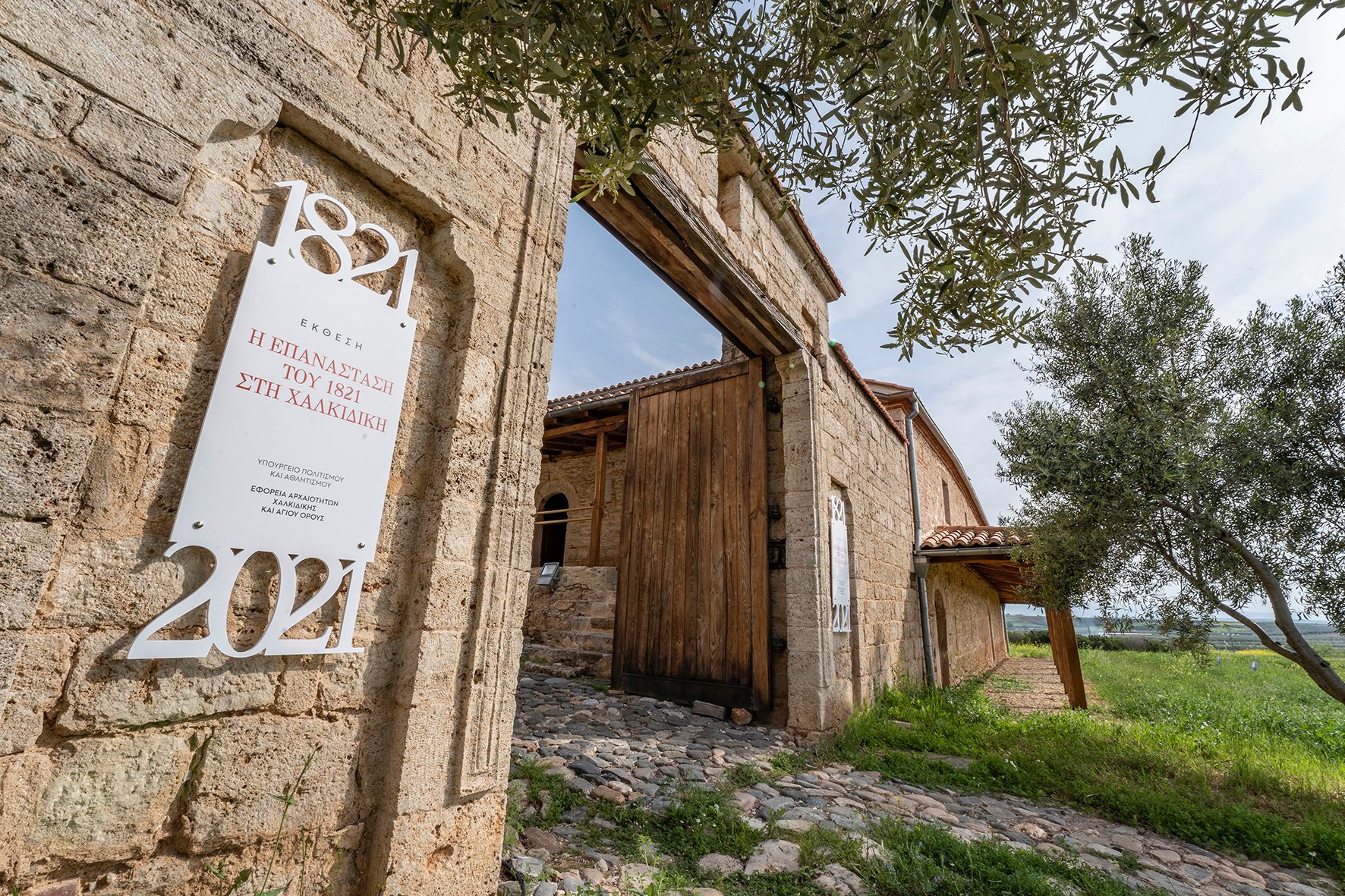
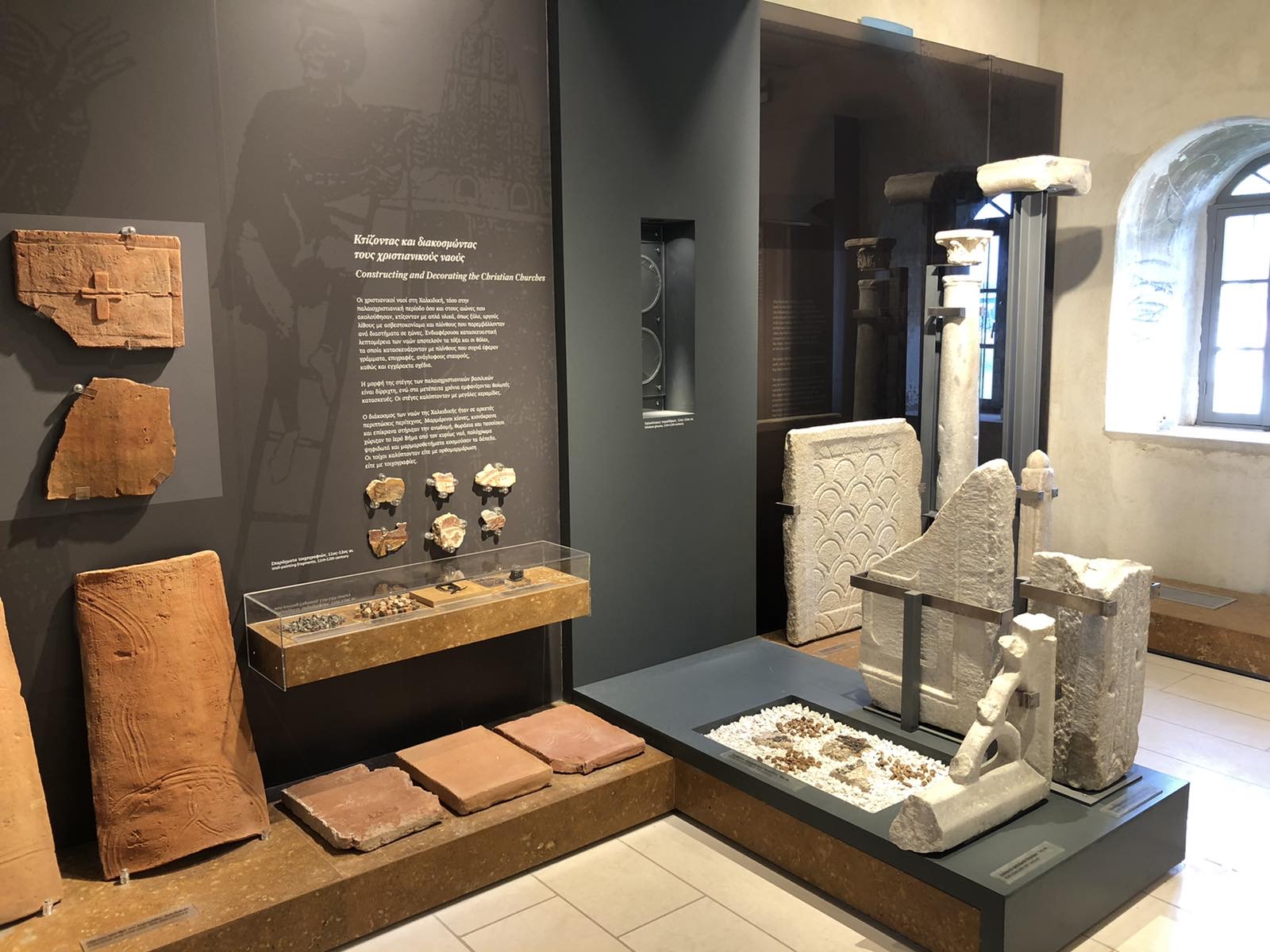
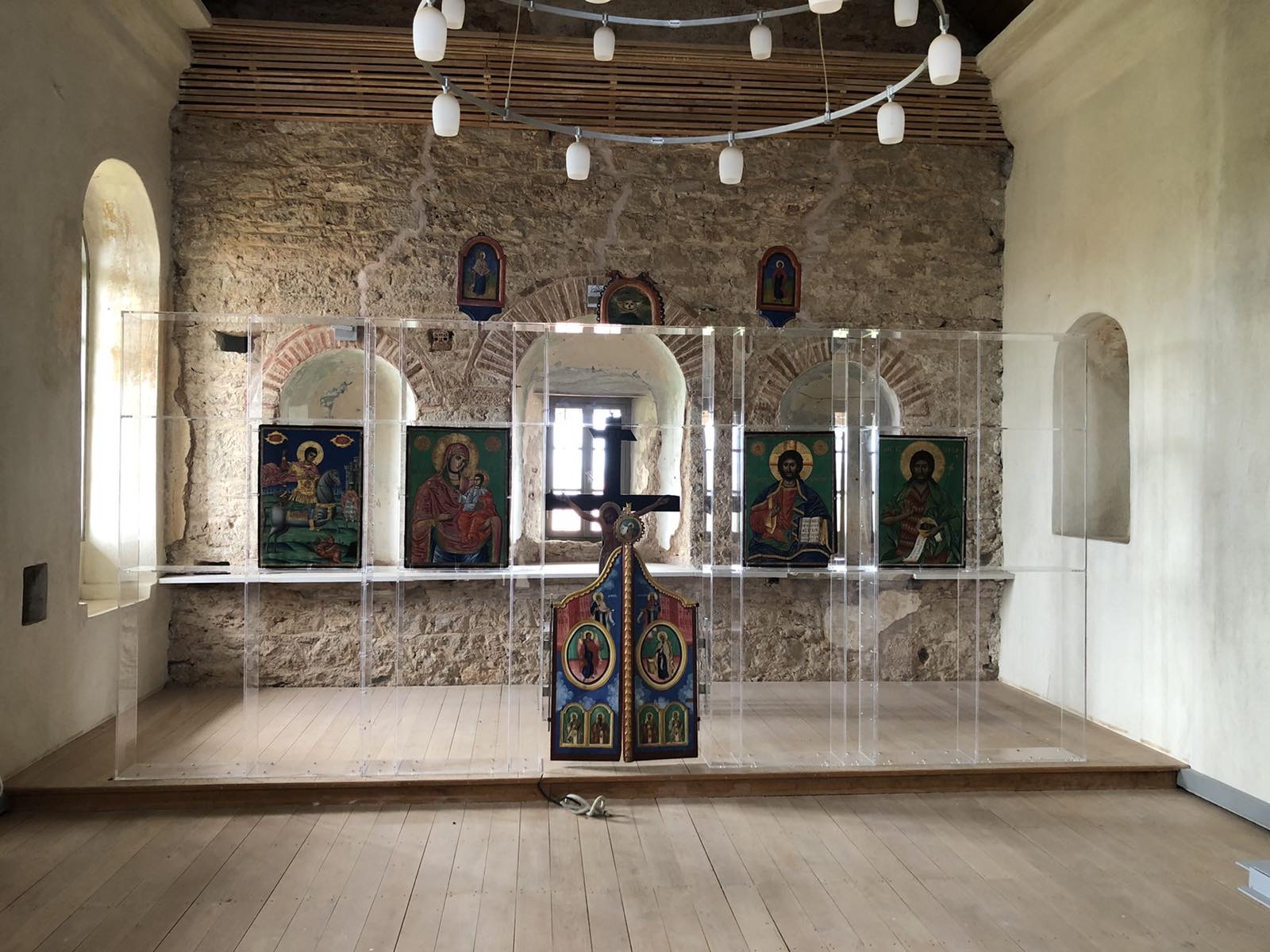
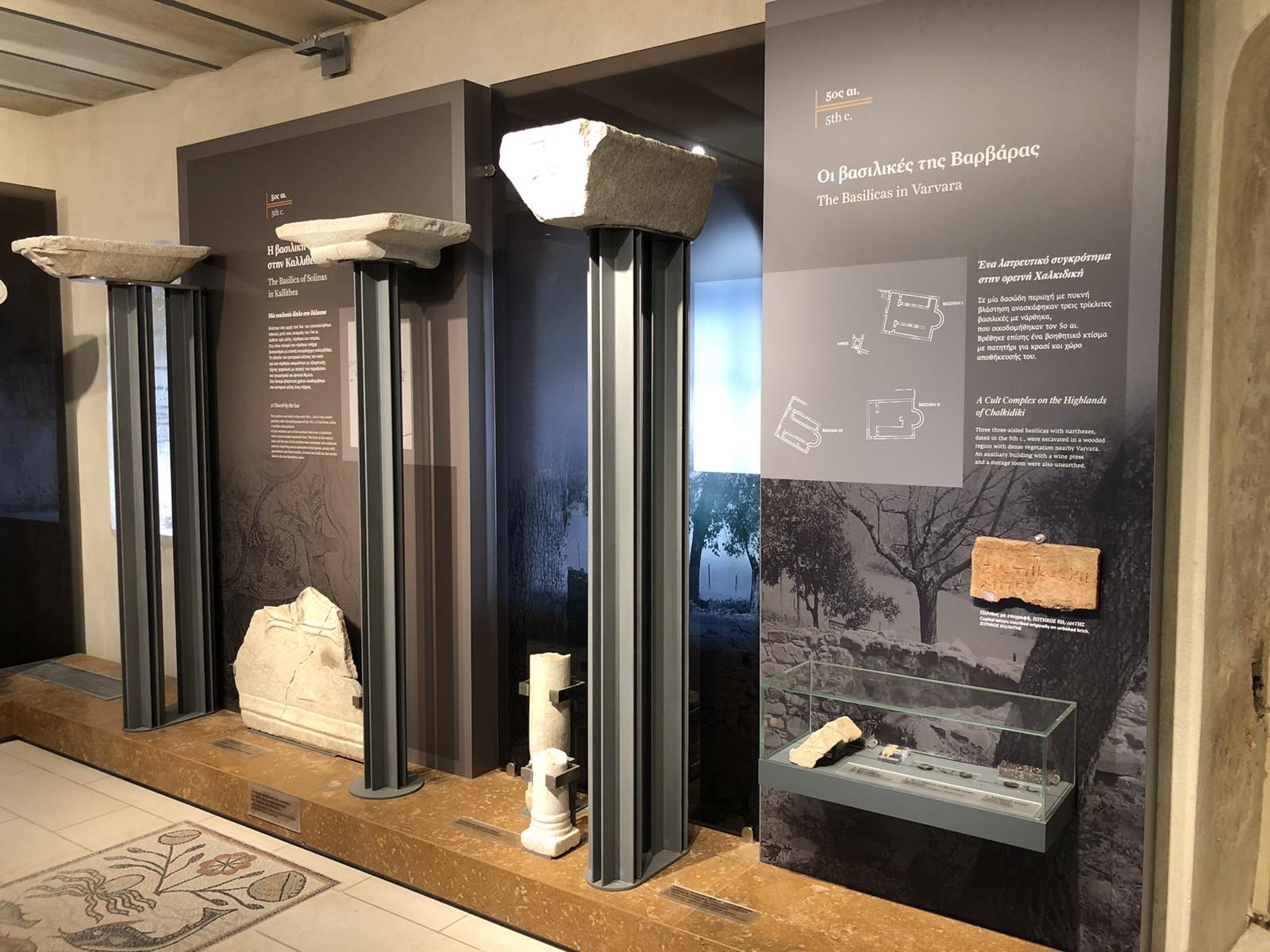
Right into the heart of Nea Flogita’s history: a massive 27-acre monastic estate that completely shatters the myth that Halkidiki is just about beaches. The Monastic Complex of Nea Flogita houses the official Byzantine Museum of Halkidiki. Operating under the prestigious “Justinianus” Center of Byzantine Culture, this masterfully restored complex delivers a direct, raw look into centuries of monastic survival, regional wars, and rare religious art.
Stepping inside this beautifully restored estate offers a fascinating journey through centuries of religious art, regional conflicts, and monastic daily life. Furthermore, it serves as an excellent year-round cultural attraction for history lovers exploring Northern Greece.
1. From an Athonite Dependency to a Refuge of Mercy
The roots of this historic site run deep into the Byzantine era. Imperial records from a chrysobull issued by Emperor Andronikos II Palaiologos first mention a monastic estate here in 1311. However, the Russian-monk community of the Saint Panteleimon Monastery on Mount Athos erected the majestic standing buildings much later, in 1884. They designed the complex as a self-sustaining agricultural hub (metochi) to manage their fertile coastal lands.
The complex underwent dramatic social transformations during the 20th century. Following the Asia Minor catastrophe of 1922, Greek refugees settled across the surrounding fields. Consequently, the American Red Cross transformed the historic monastic buildings into a temporary hospital to treat thousands of displaced families. Later, during World War II, occupying forces seized the complex as their regional military headquarters. Ultimately, the Ministry of Culture acquired the abandoned site in 1999 to establish a modern cultural center.
2. Exploring the Restored Historic Buildings
The local Ephorate of Antiquities systematically restored three monumental post-Byzantine structures. Today, each building serves a specific educational and cultural purpose:
-
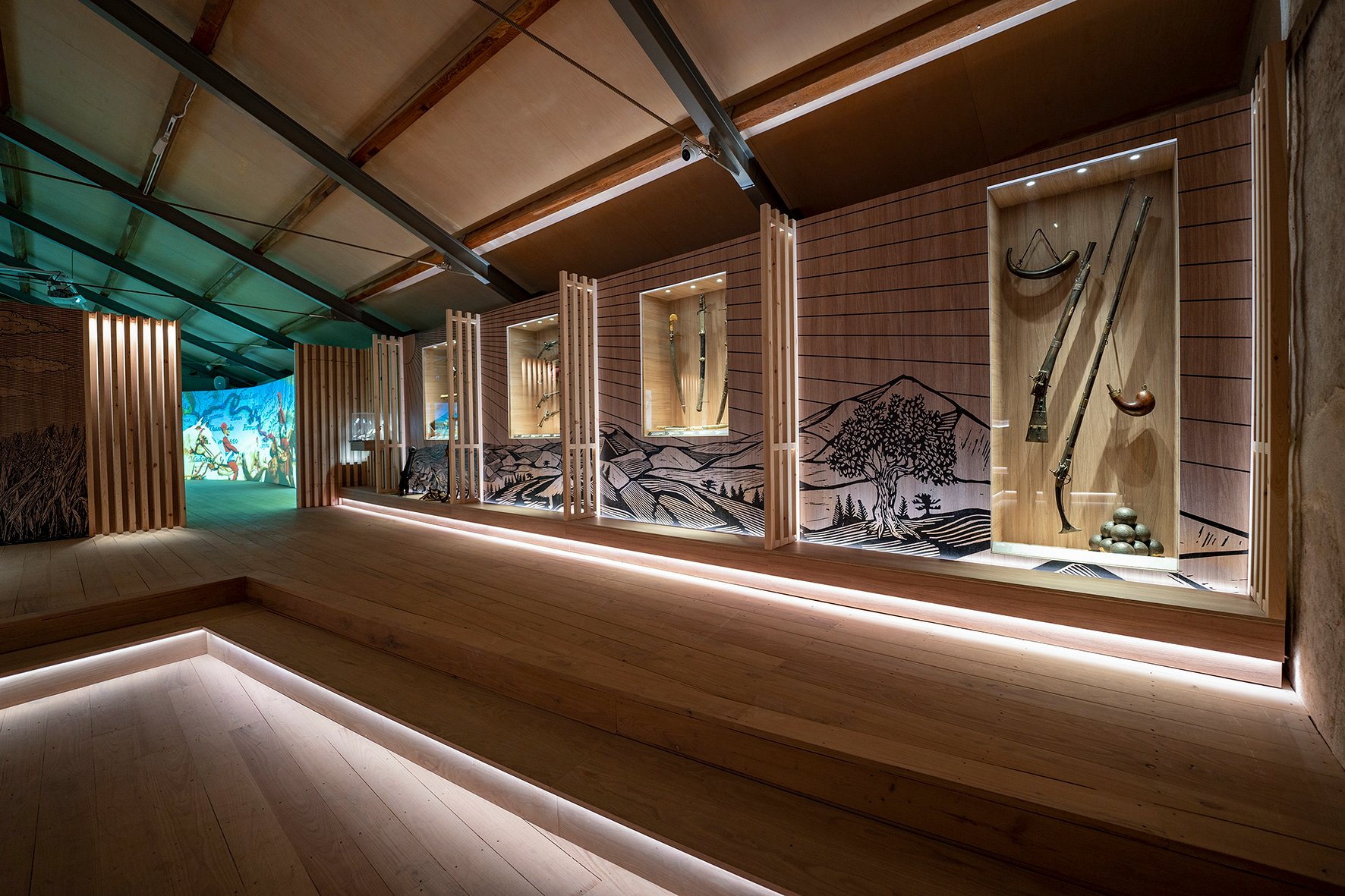
The Central Building (Built 1884): This grand, two-story structure features an elevated integrated chapel. Today, it hosts the permanent exhibition of the Byzantine Museum of Halkidiki. Visitors can browse an impressive collection of early Christian sculptures, rare religious icons, and decorative architectural pieces gathered from excavations across the peninsula.
-
The Old Building (Built 1853): This adjacent stone structure handles a dynamic rotation of seasonal initiatives. It regularly hosts high-tech interactive multimedia displays, historical seminars, and unique periodic exhibitions covering local history.
-
The Open Conservation Center (Built 1909): This ground-floor wing functions as a fully operational restoration lab. Here, visitors can watch professional conservators actively working to preserve ancient books, delicate icons, and classical ceramics.
3. A Rich Center for Cultural Experiences
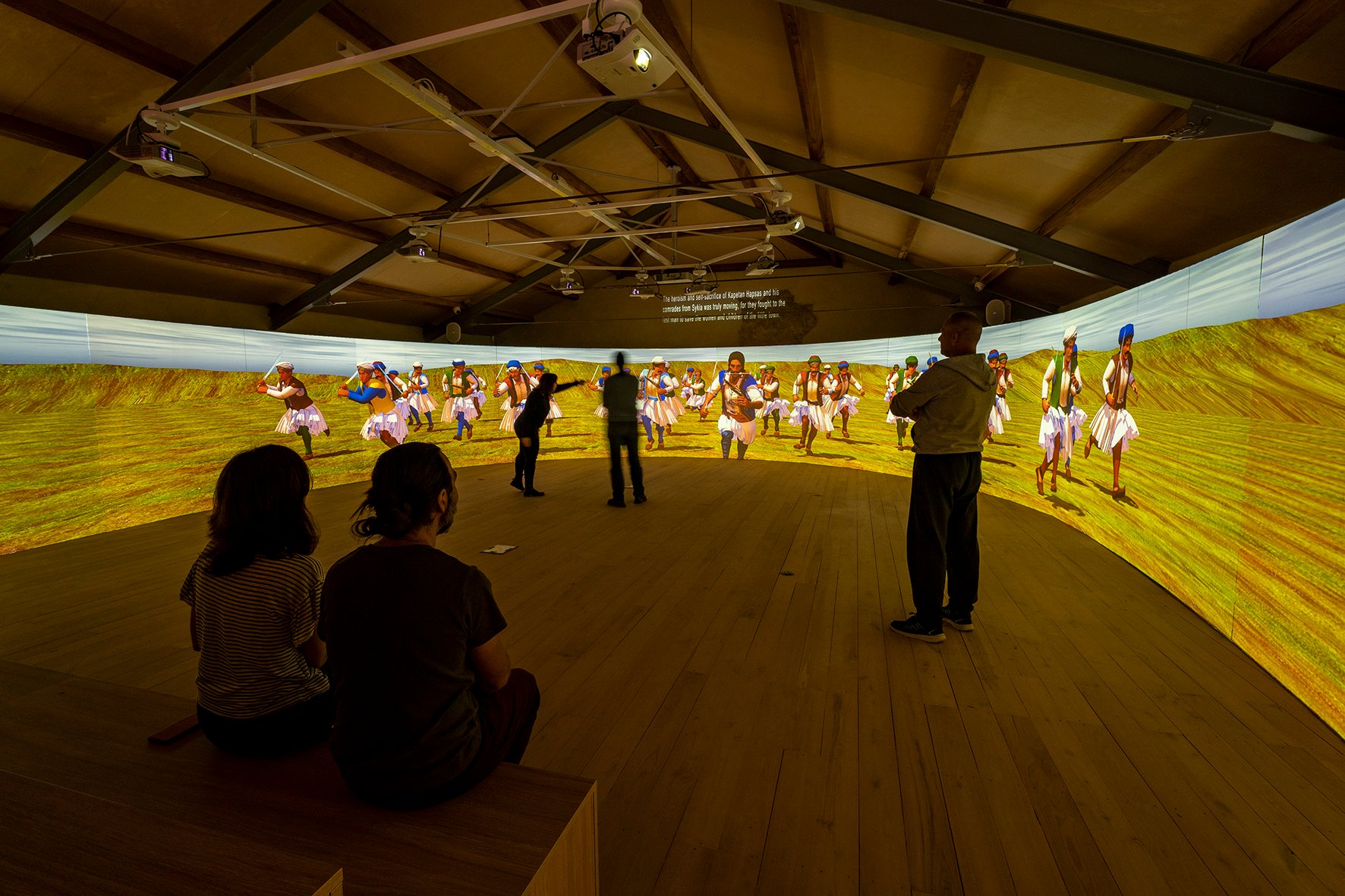
Beyond its archaeological artifacts, the museum integrates modern technology to bring regional history to life. For instance, the permanent galleries feature advanced 3D projection mapping installations and digital timelines. These interactive tools vividly recreate historic events, such as the local Halkidiki revolution of 1821. Therefore, the museum appeals directly to modern tech-savvy travelers and school groups alike.
Furthermore, the sprawling 27-acre outdoor grounds act as a peaceful open-air park. Visitors can stroll among centuries-old stone masonry while enjoying a refreshing coastal breeze. The estate also includes a modern refreshment bar built directly over the ruins of the old workers’ quarters (Kolligospito), creating the ideal spot for a relaxing afternoon break.
Travel Tip for Explorers: Combine your beach day with a quick dose of medieval history. Because admission to the entire complex is completely free, it makes for a highly budget-friendly family excursion. Plan your visit for the early morning before the midday beach heat peaks. Afterward, head directly down to the Nea Flogita waterfront for a fresh seafood lunch.
Visiting information
Opening days & hours
Daily [CLOSED TUESDAY]
08:30-15:30
FREE ENTRANCE