
The Sanctuary of Zeus Ammon and Dionysus: Ancient Faith by the Kassandra Sea
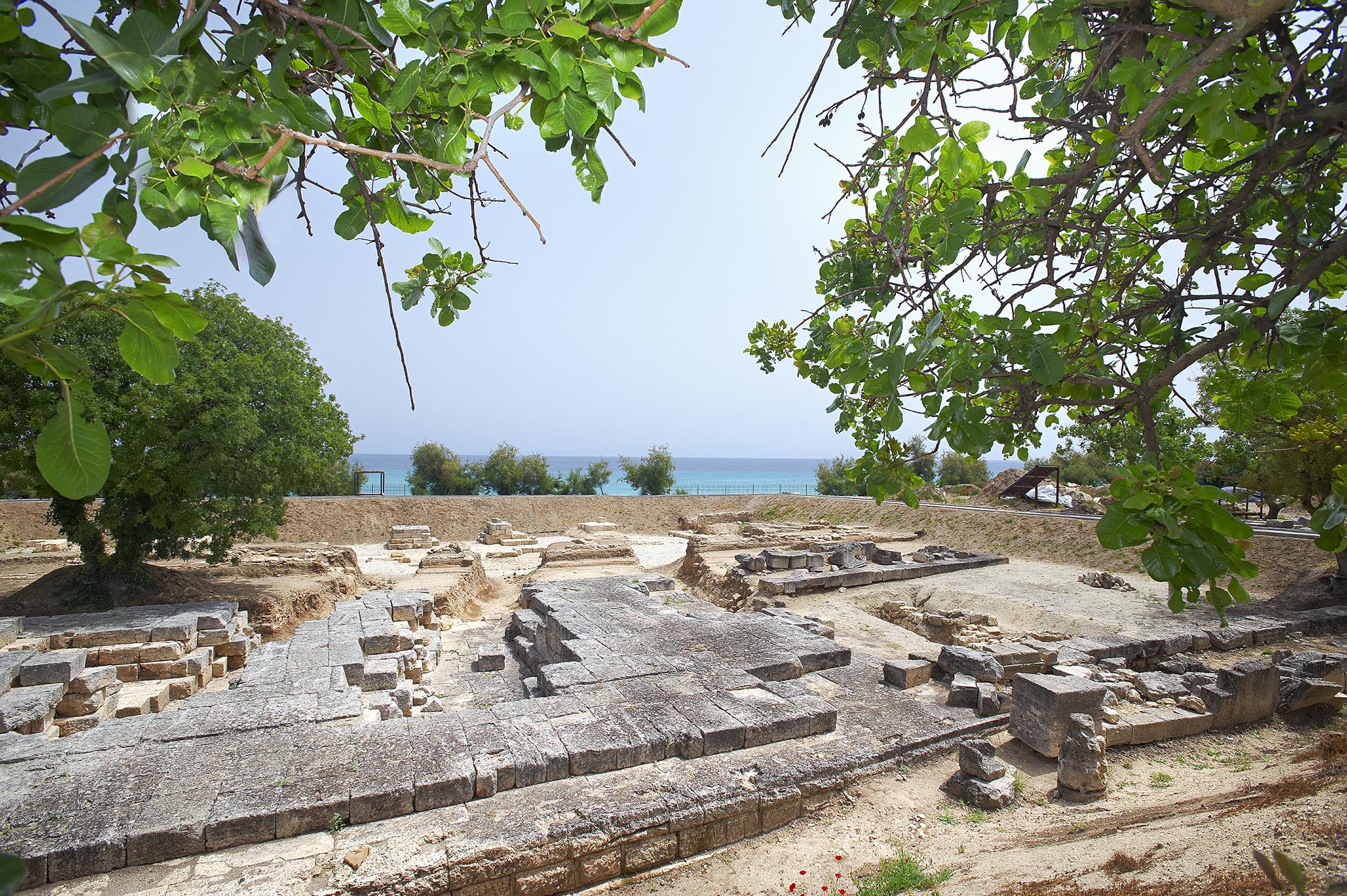
The vibrant coastal resort of Kallithea attracts thousands of summer tourists with its energetic pulse and exceptional shorelines. However, this seaside destination also hosts one of the most structurally unique sacred complexes in northern Greece. Located right along the edge of the sand, the Sanctuary of Zeus Ammon and Dionysus marks a fascinating historic crossroads. Here, classical Greek mythology, North African mysticism, and Roman architecture seamlessly converge.
Ultimately, this beachfront archaeological site stands out as a premier cultural landmark. It remains the only fully excavated sanctuary in Greece dedicated to Zeus Ammon. Furthermore, it tells a captivating story of local spiritual devotion that spanned over a thousand years.
1. The Sanctuary of Dionysus: The Cave and the Springs
Long before builders laid stone foundations, early inhabitants considered this specific coastal shelf sacred ground. The natural landscape itself inspired ancient worship. During the second half of the 8th century BC, Euboean colonists from Eretria founded the nearby city-state of Aphytis. Soon after, a lush, shaded hillside filled with active water springs and natural caves caught their attention. Consequently, they established the worship of Dionysus and the Nymphs.
Devotees accessed a natural cavern via a steep staircase. Workers partially cut these steps directly into the solid rock. Deep within this shaded sanctuary, early worshippers left pottery and carved votive scales to honor the god of wine. Instead of fading over time, this ritual practice flourished. Ultimately, the tradition continued deep into the Roman era.
2. The Rise of Zeus Ammon: An Egyptian-Greek Alliance
During the late 5th century BC, a distinct new cult emerged on the northern plateau of the site. Local citizens introduced the worship of Zeus Ammon. This fascinating deity grew from a unique mixture of religious ideas. Specifically, Greek colonists in North African Cyrene encountered the supreme Egyptian god Amun-Ra. They quickly recognized him as their own king of the gods, Zeus. As a result, artists depicted him with distinctive, curling ram horns.
Architectural Marvels of the Temple:
-
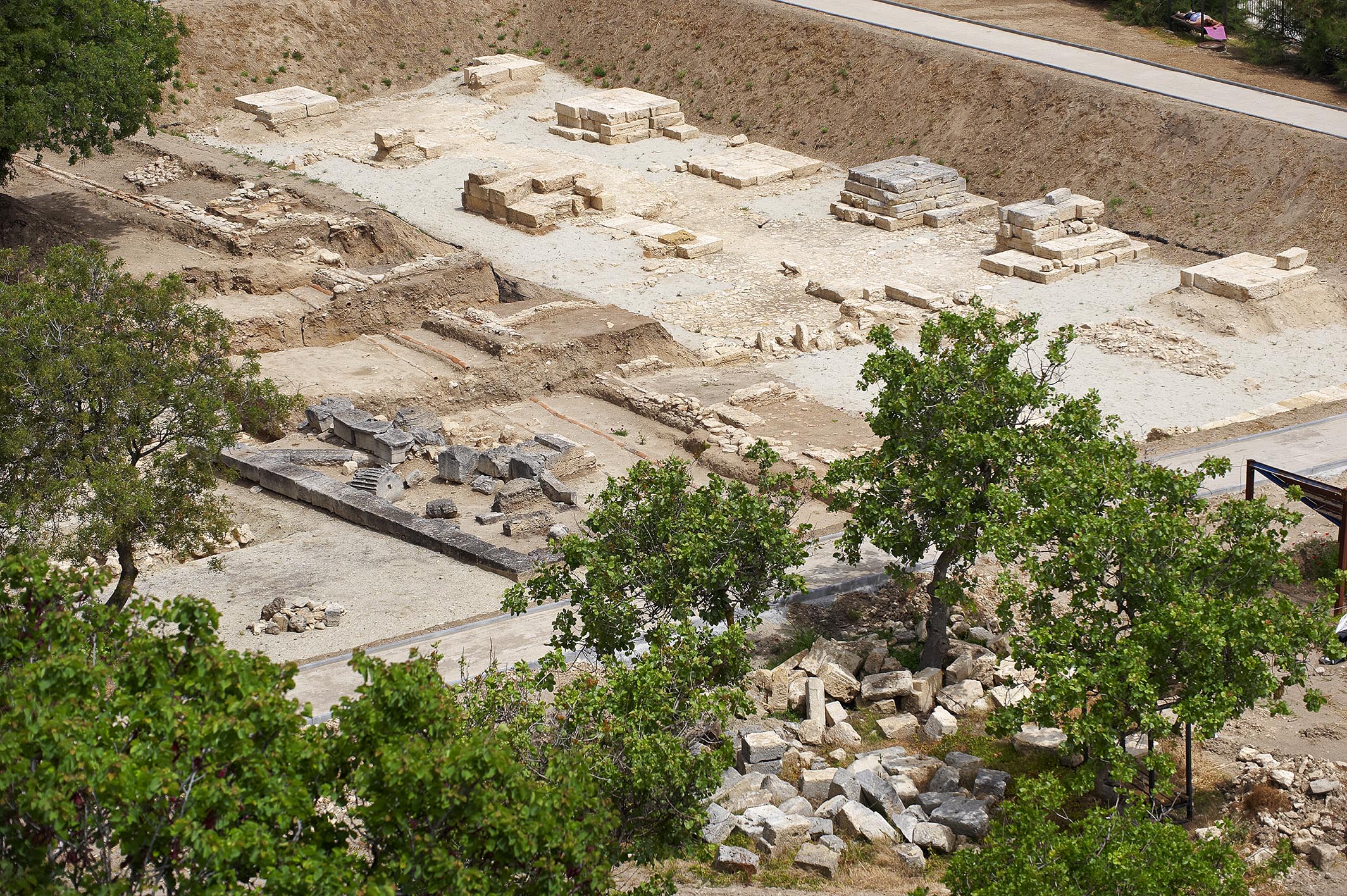
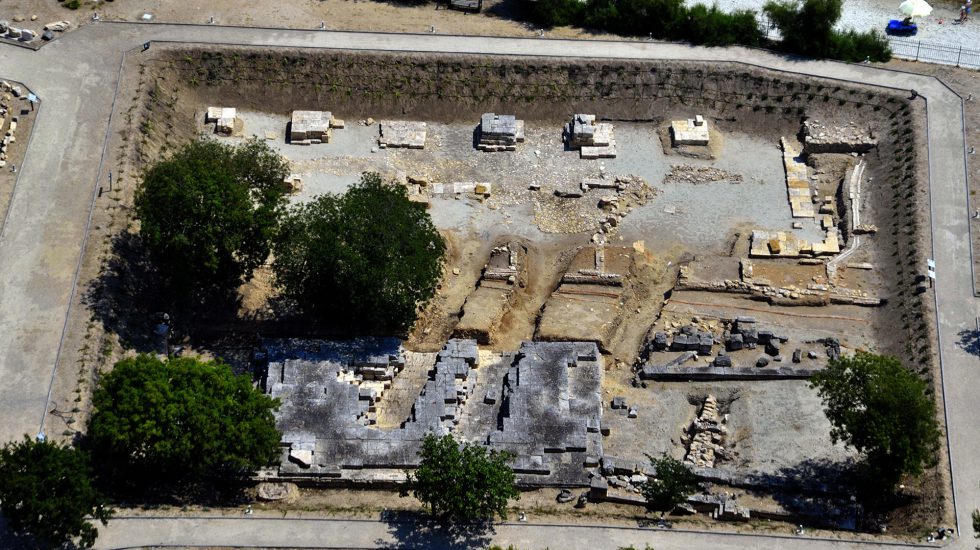
The Open-Air Processional Path: To the east of the temple, archaeologists uncovered an open-air corridor flanked by parallel rows of monumental stone bases. This structural design mimics traditional Egyptian processional architecture, showcasing a direct cultural link to North Africa.
-
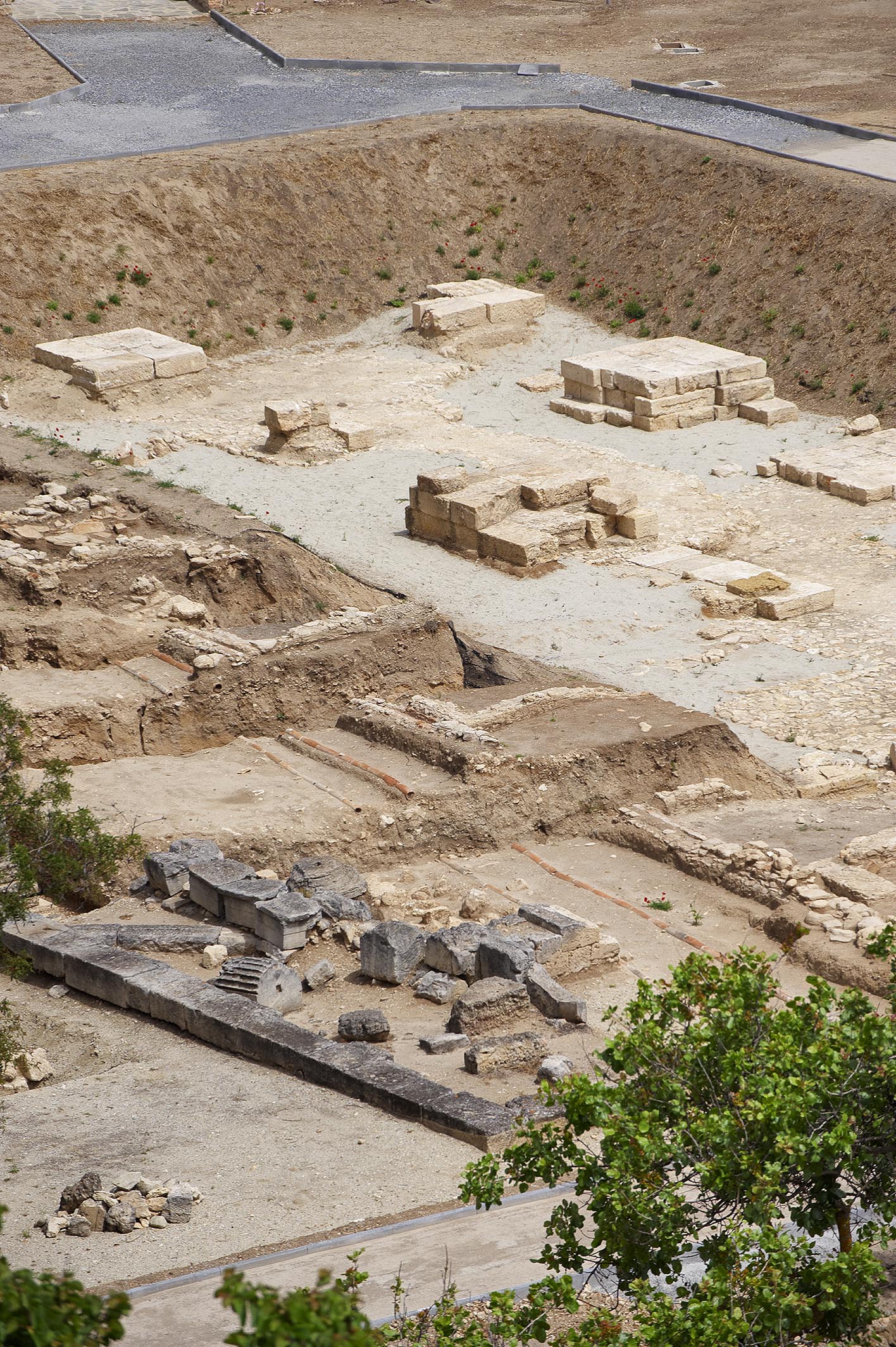
The Sacred Water Cisterns: Because the cult of Zeus Ammon was deeply linked to water rituals, a stone cistern sat directly in front of the eastern entrance. Fresh spring water was channeled across the site through an intricate system of underground clay pipes.
Historical texts provide a legendary reason for the temple’s construction. In 403 BC, the Spartan general Lysander besieged Aphytis. However, the oracle of Ammon appeared to him in a dream and commanded him to lift the siege. Lysander obeyed. Furthermore, he urged the locals to honor the god with a grand sanctuary. Consequently, builders erected a magnificent Doric peripteral temple during the second half of the 4th century BC. This expansion likely occurred under the direct influence of the Macedonian kings Philip II or Alexander the Great.
Key Structural Innovations of the Temple:
-
The Processional Path: To the east of the temple, archaeologists uncovered an open-air corridor. Parallel rows of monumental stone bases flank this pathway. Interestingly, this design mimics traditional Egyptian processional architecture. Therefore, it proves a direct cultural link to North Africa.
-
The Sacred Water Cisterns: The cult of Zeus Ammon maintained a deep connection to water rituals. For this reason, a stone cistern sat directly in front of the eastern entrance. Workers channeled fresh spring water across the site using an intricate system of underground clay pipes.
3. The Roman Transformation and Beyond
The sanctuary experienced a major architectural revival during the Roman Imperial era. Specifically, during the 1st and 2nd centuries AD, Roman engineers reconstructed parts of the classic Doric temple. Furthermore, they added two parallel, terraced structures. These stepped rows resembled miniature theater bleachers on the south side of the complex.
The Romans built a small new altar between these tiered seating structures. This new setup sat directly over the original Greek altar. Consequently, the modifications created an open-air ritual theater. Seated believers could now comfortably observe sacrificial ceremonies and sacred presentations. Ultimately, the complex remained a bustling center of active worship until its final abandonment in the 4th century AD.
Visitor Insight for Cultural Travelers: The Sanctuary of Zeus Ammon offers a rare visual experience. Standing among classical Doric foundations while listening to the immediate lap of the waves creates an unforgettable atmosphere. To appreciate the site’s original architectural grandeur, look for the recovered decorative clay tiles and lion-head roof gutters. These original artifacts now sit on display at the nearby Archaeological Museum of Polygyros.
Visiting information
Opening days & hours
Daily [CLOSED TUESDAY]
08:30-15:30
FREE ENTRANCE